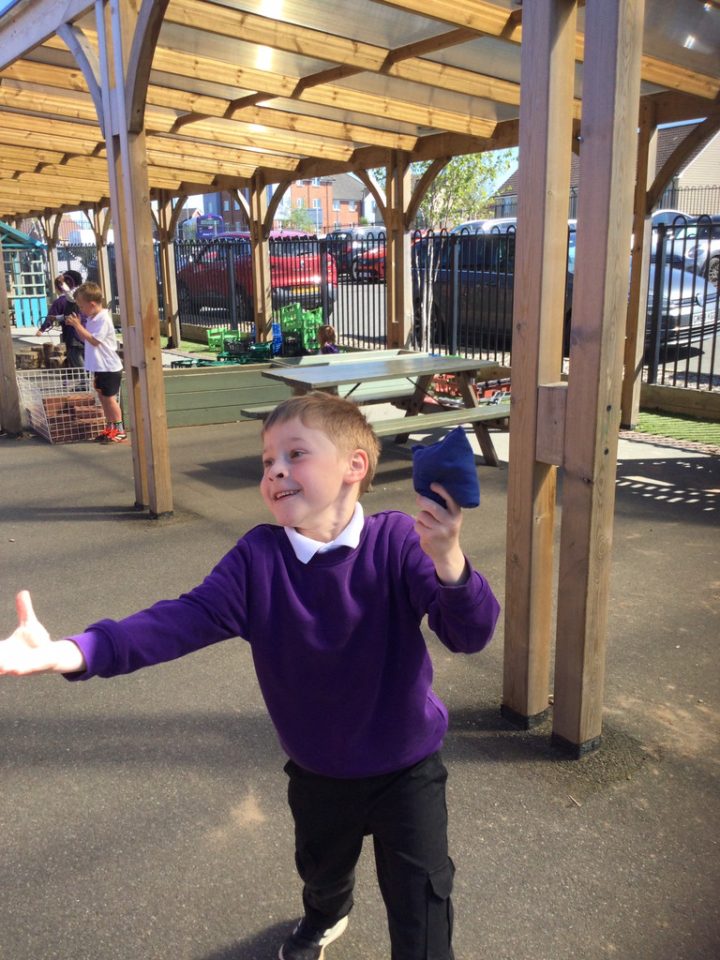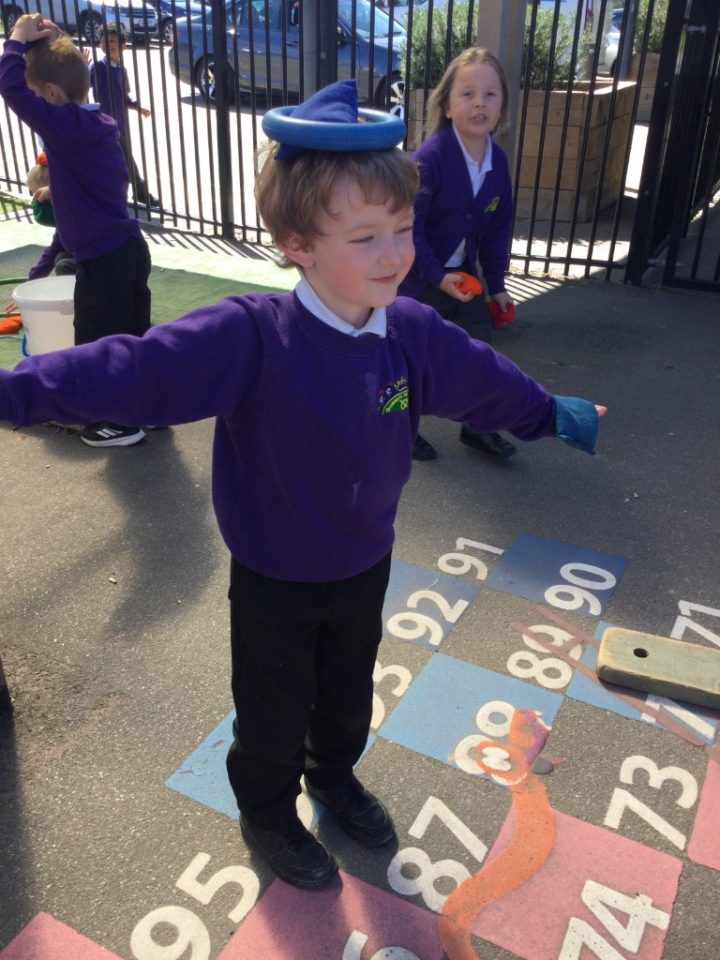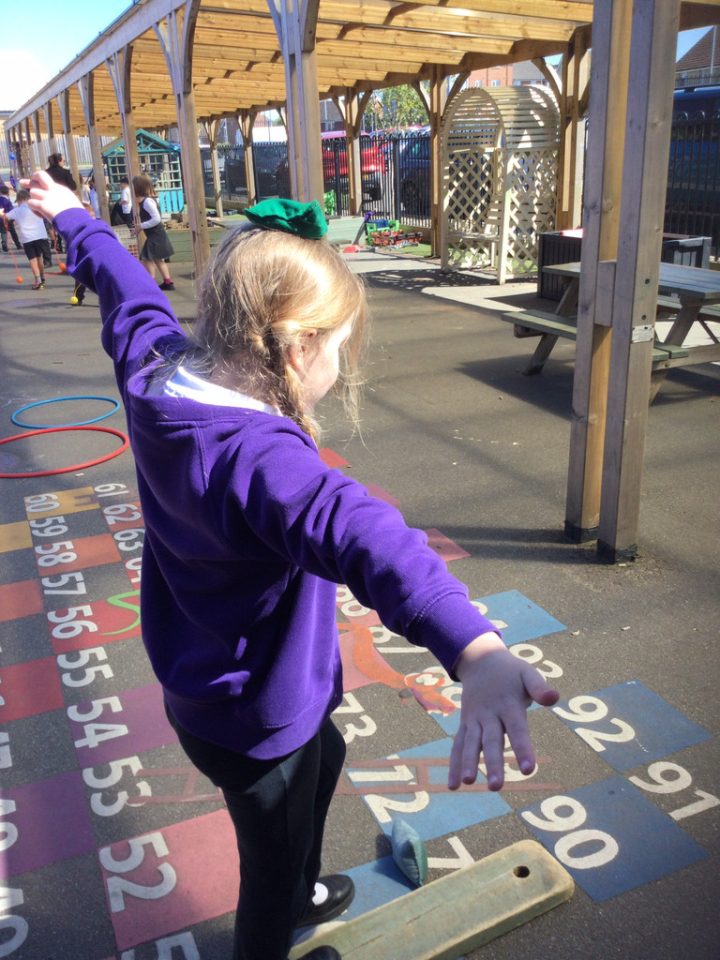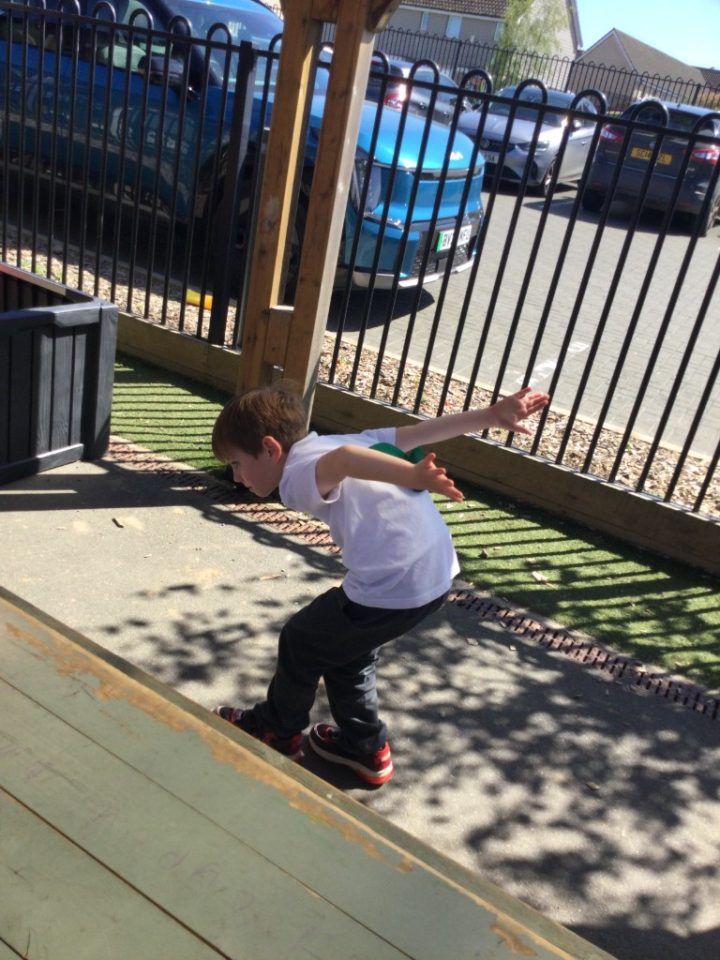
Roll up, Roll up – It’s the year 1 circus!

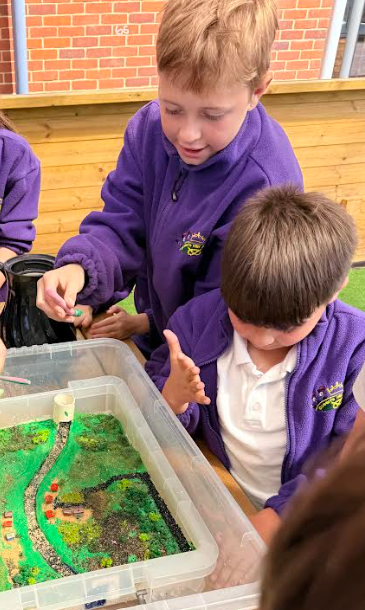
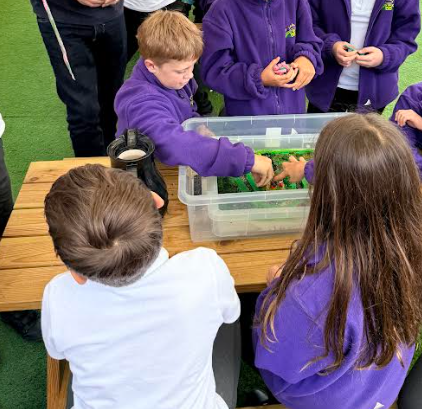
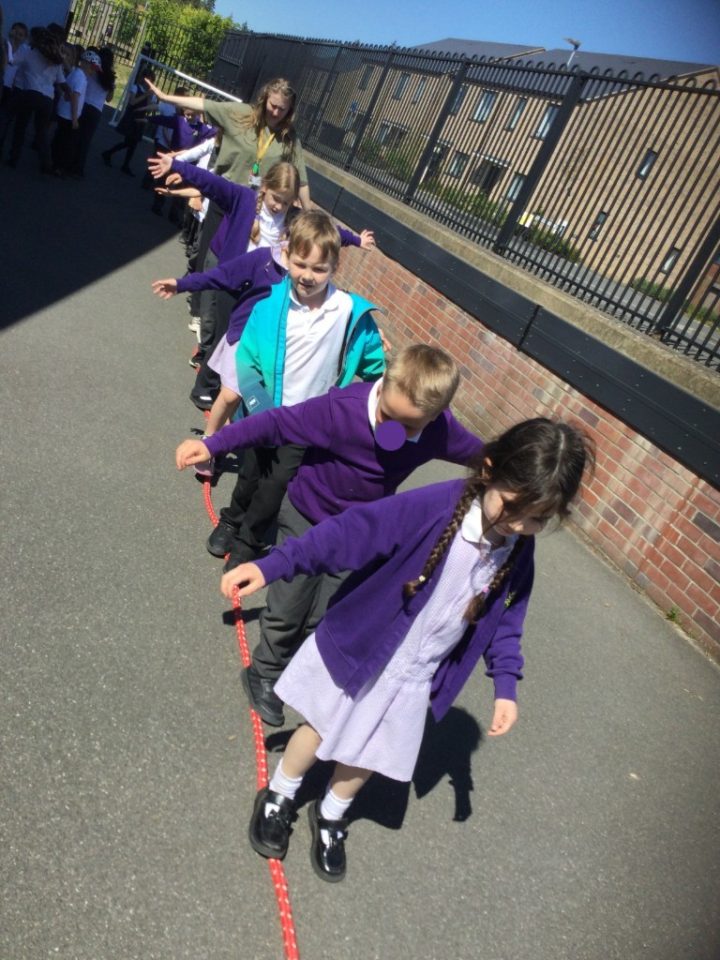
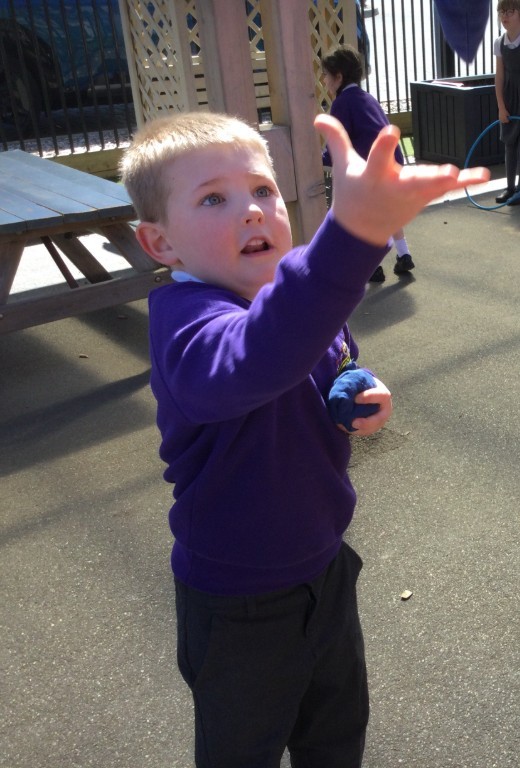
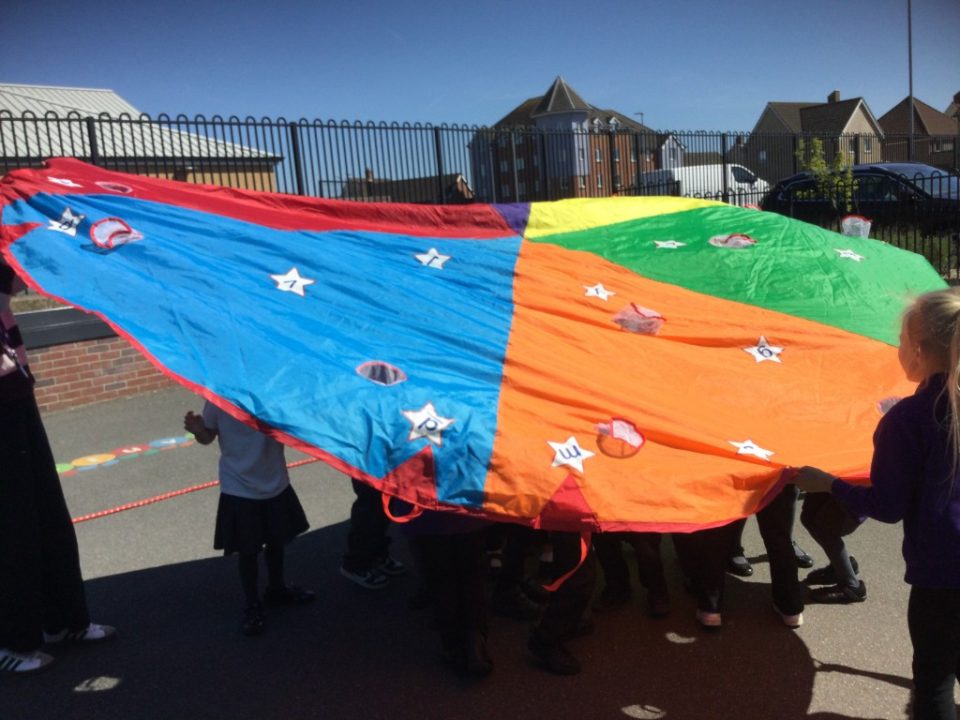
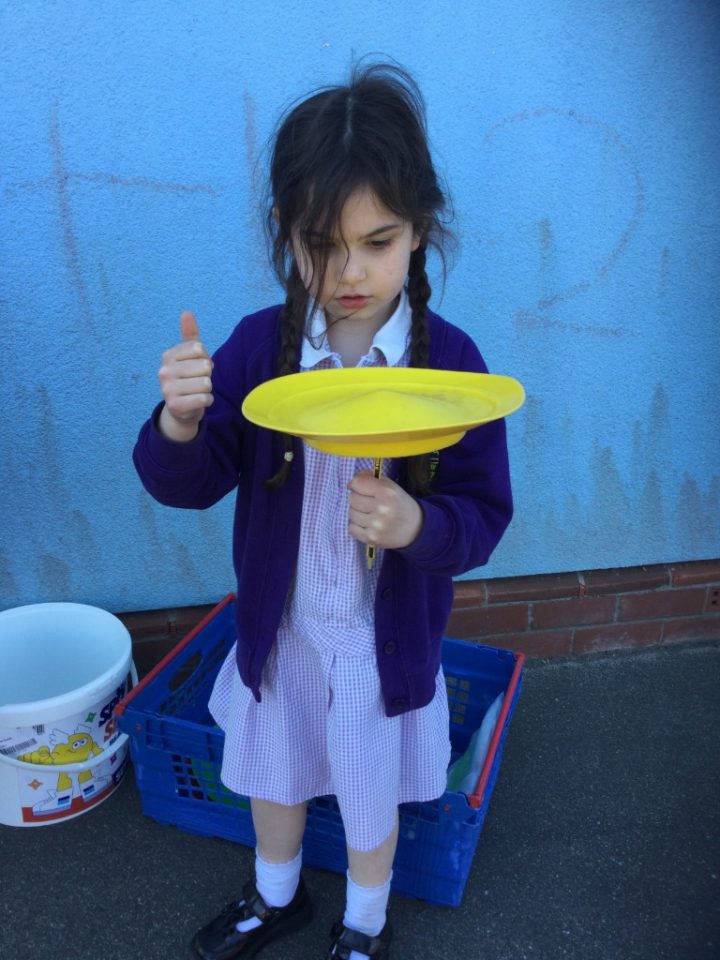
As part of their history learning, Year 1 have been finding out all about Pablo Fanque. Children have enjoyed learning about how he was born in Norwich and changed his name to Pablo Fanque when he joined the circus. He became the first black circus owner in the 1800s. The children were amazed that he could teach horses to dance and even ride 12 horses at once! We discovered that some children hadn’t been to a circus, so we made our own with stilts, tightropes, juggling and a big top!

Year 3 Stone Age Day

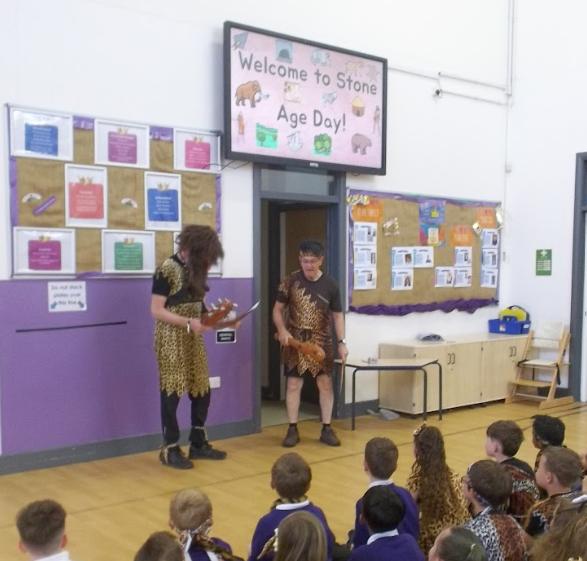
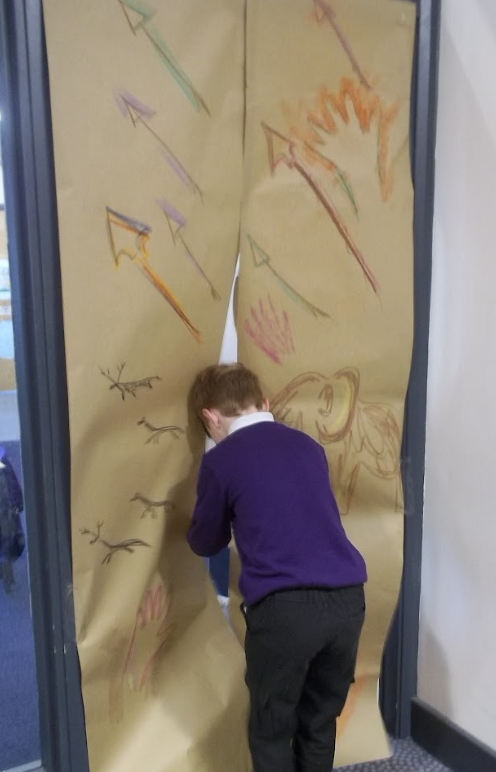
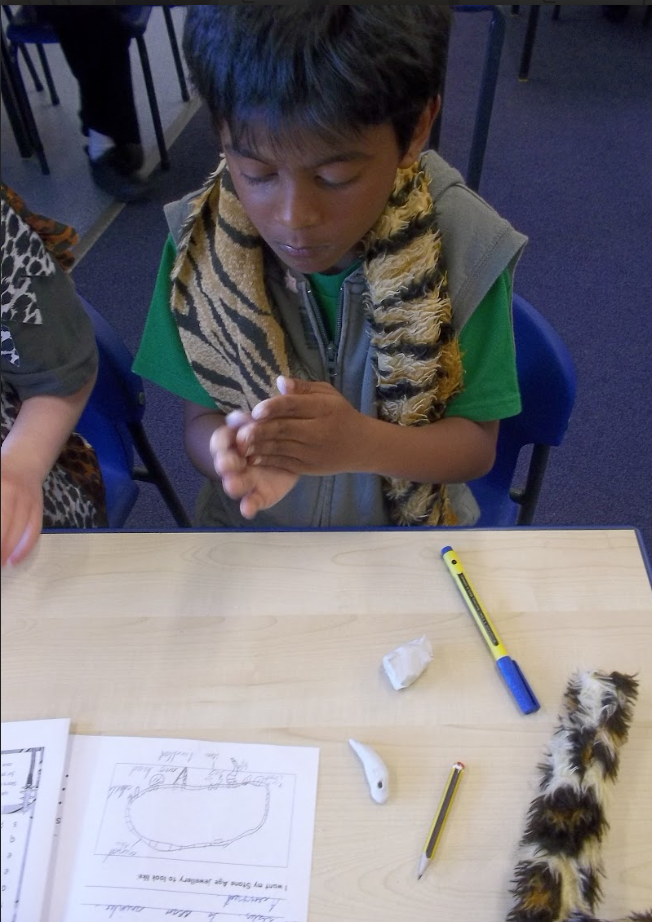
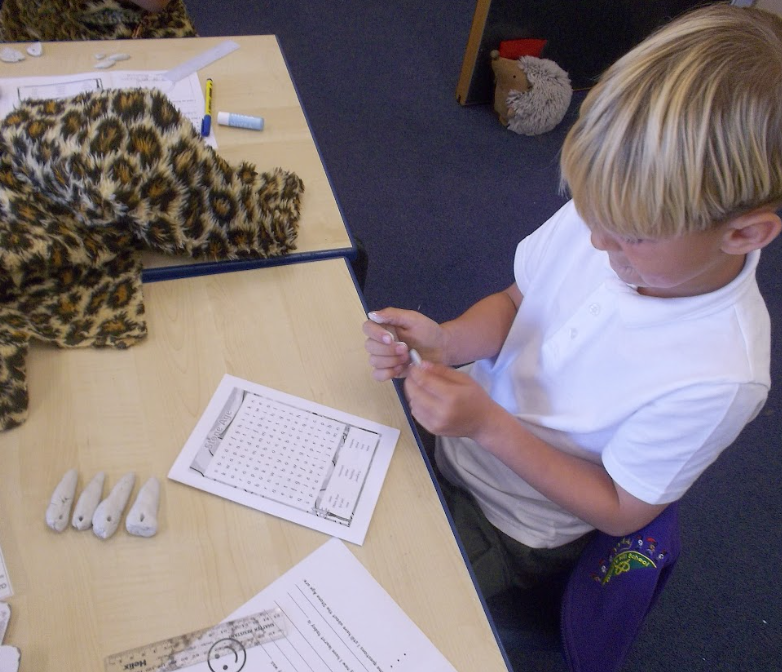
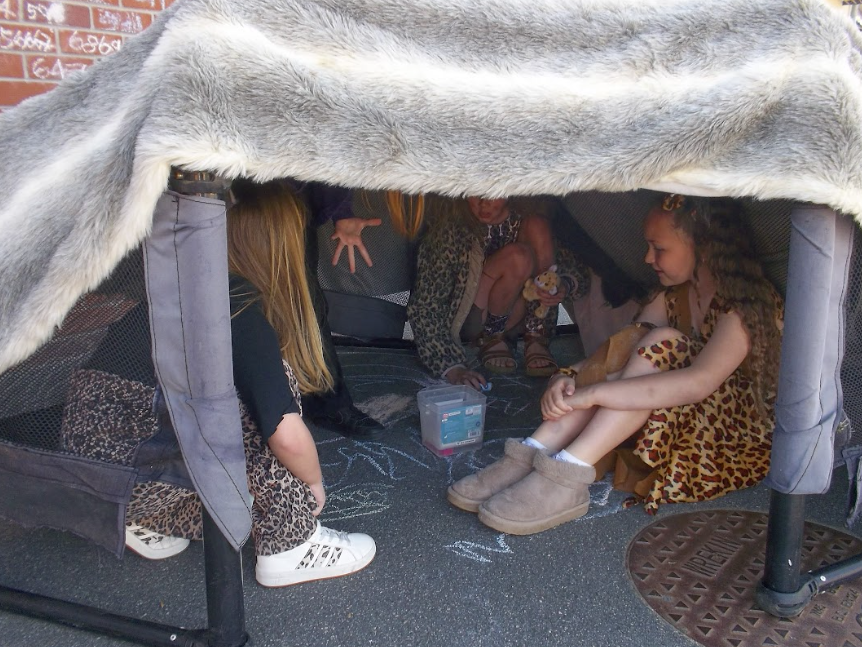
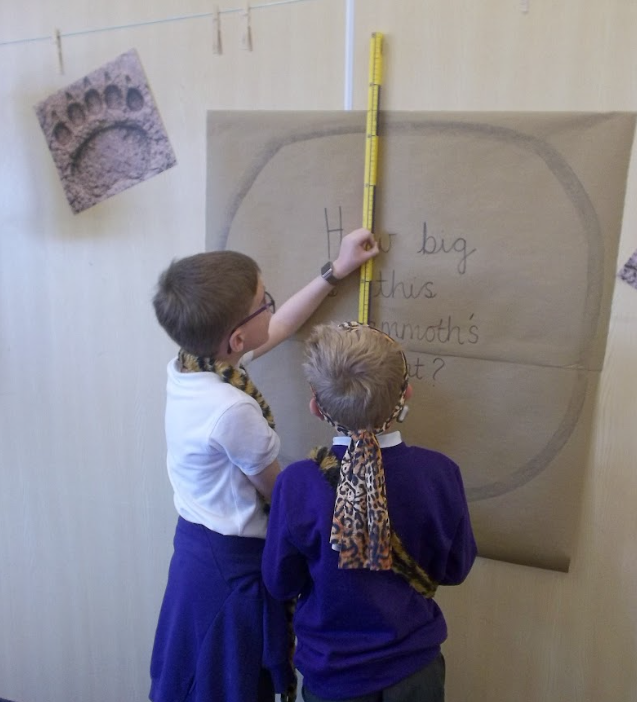
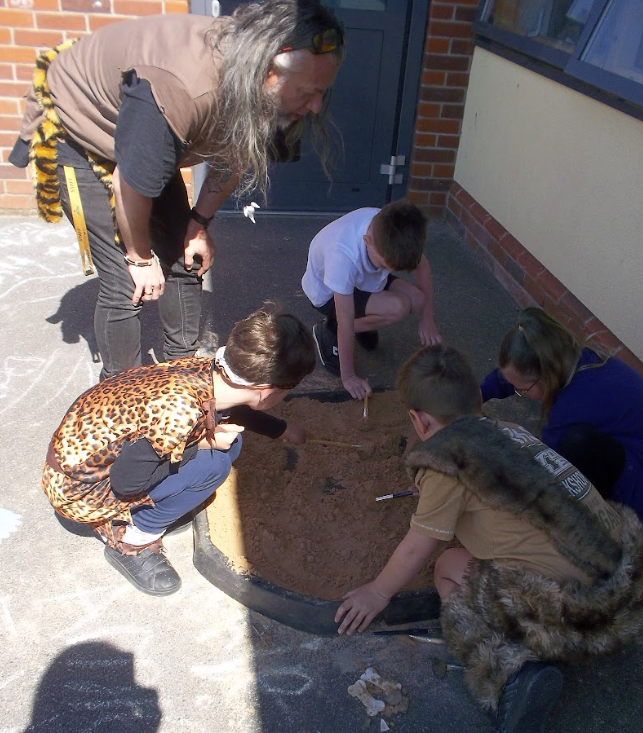
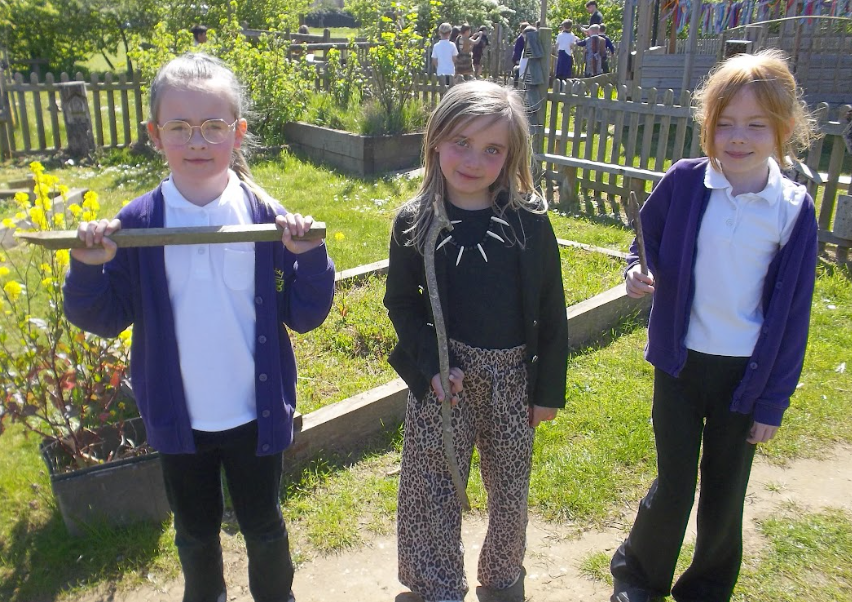
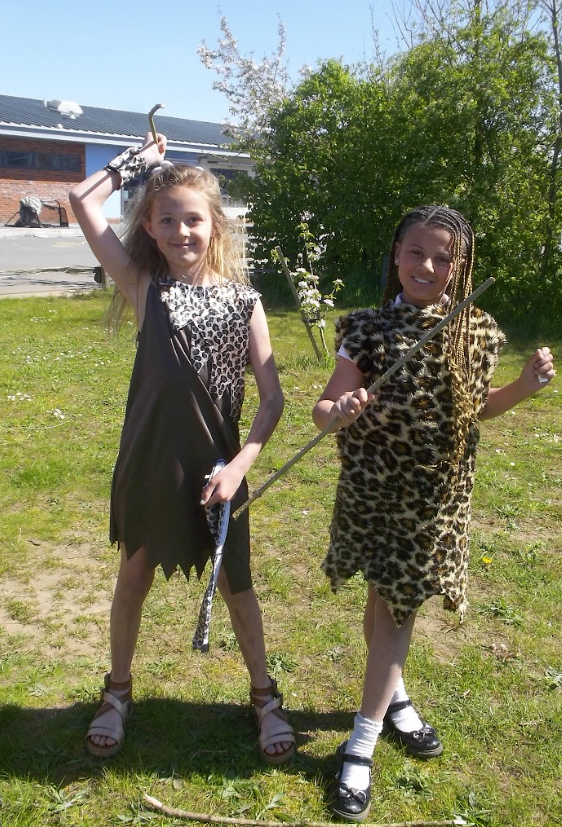
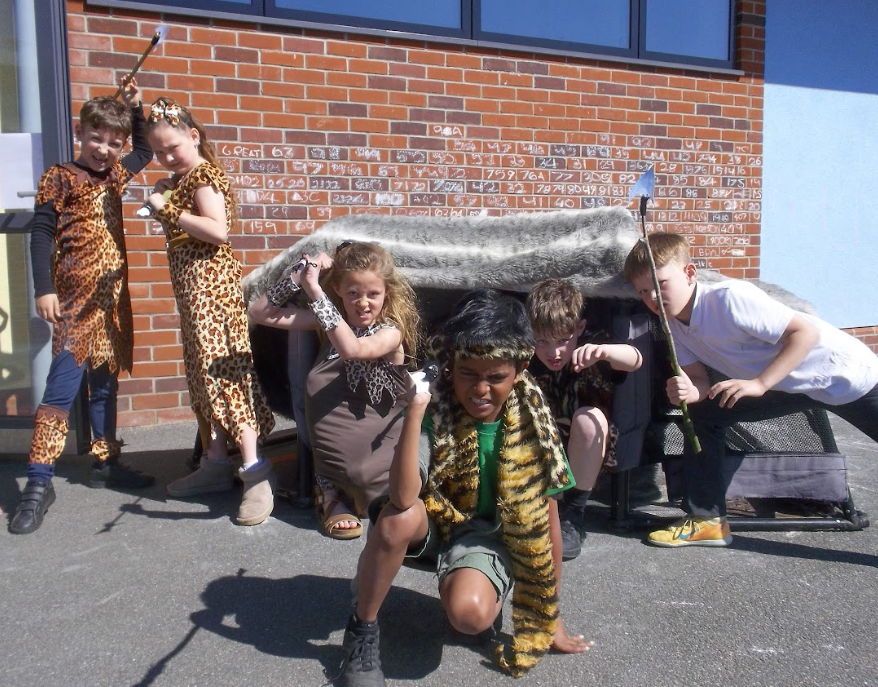
On Thursday, Year 3 kicked off their history Stone Age topic with an action-packed experience day. They spent the day working as historians, using different replica artefacts to help them learn about what life was like during the Stone Age and test different theories using the evidence we have. After meeting some Stone Age people, children travelled through a time portal in their classrooms to go back in time. They learnt all about jewellery and used clay to make their own. They worked as archeologists to dig for artefacts and had a go at cave drawings. They also learnt about different pre-historic animals, measured their footprints and dissected their poo to identify whether they were herbivores, carnivores or omnivores! In the afternoon, children also learnt about hunting and gathering and found their own sticks to make spears, needed for hunting animals for food. A fantastic day was had by all, the children learnt so much and there were some amazing costumes too!

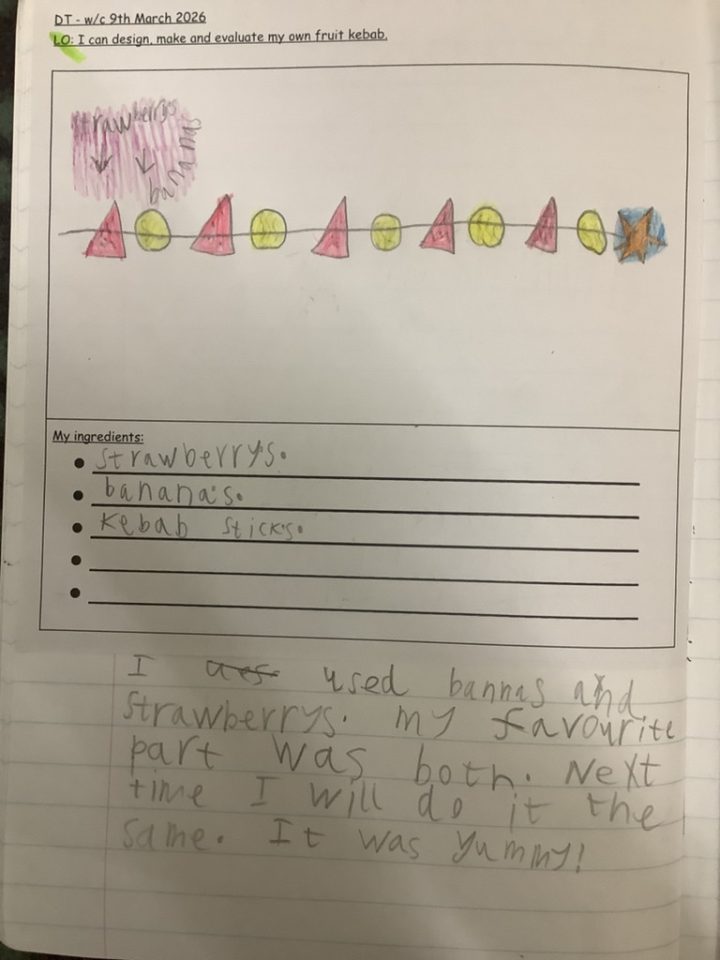
Year 1 DT – Fruit kebabs

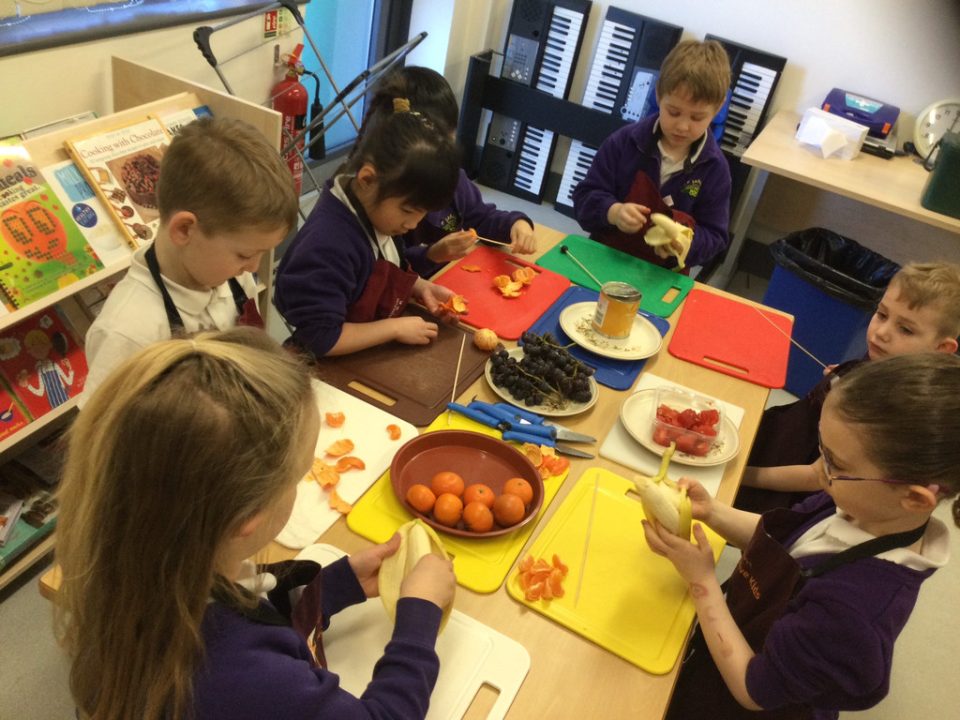
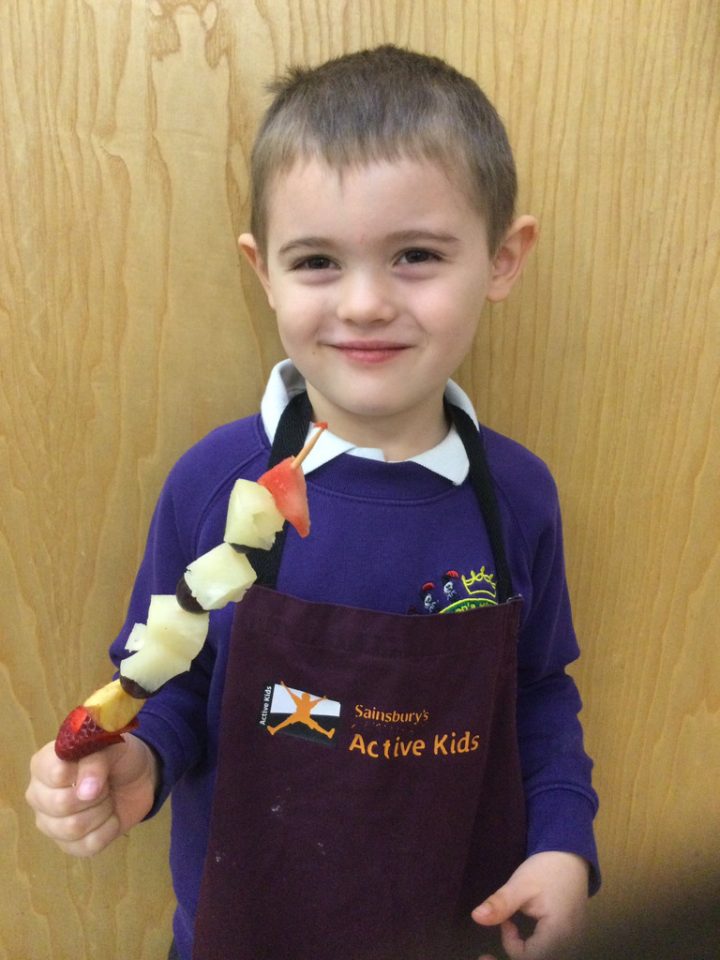
As part of our Design Technology lessons, children have been learning about the design cycle – Design, Create, Evaluate. Alongside this in Geography, we have been thinking about food and where it comes from. To bring this learning together, we decided to make our own fruit kebabs. Children designed their fruit kebabs, then made them in the Cookery Room. They then got to eat their fruit kebabs with their friends before writing about what they liked about them, and what they would do differently another time. The group verdict was “Yummy!”. Next week, we will be looking at where the food we used in the fruit kebabs was grown.

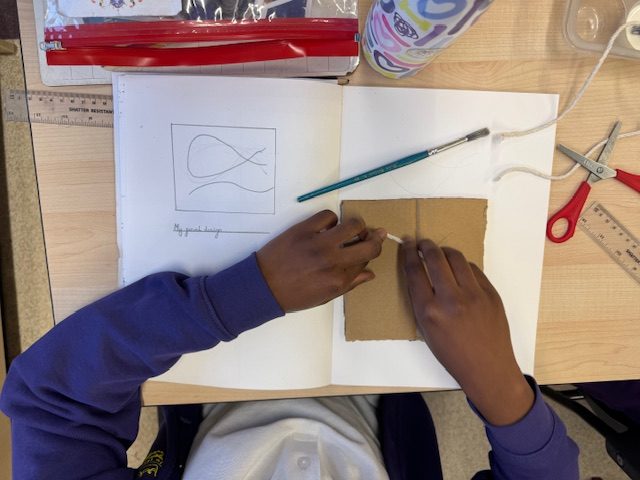
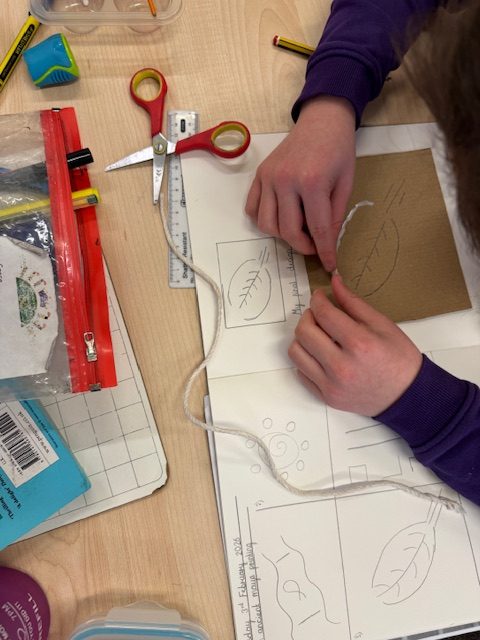
DT: Mayan Block Printing

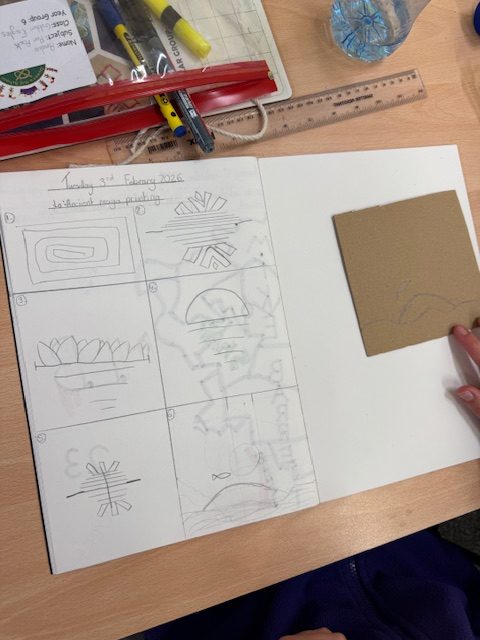
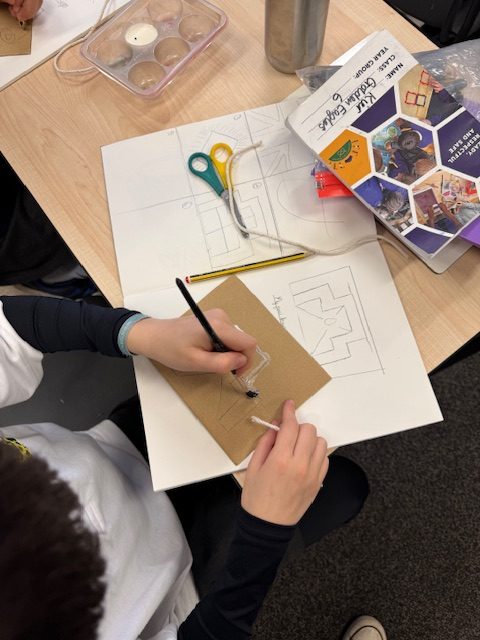
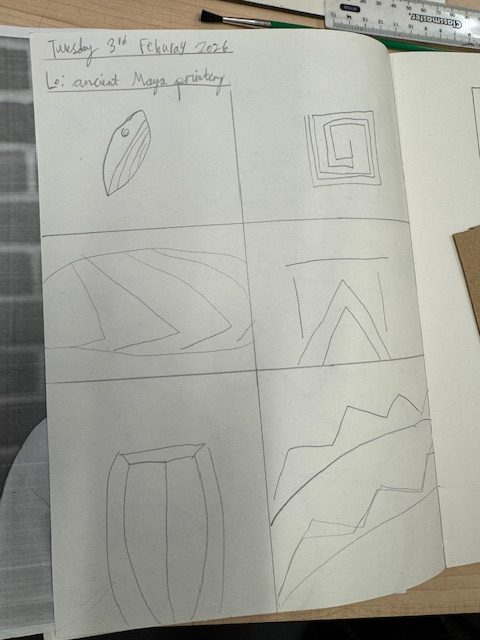
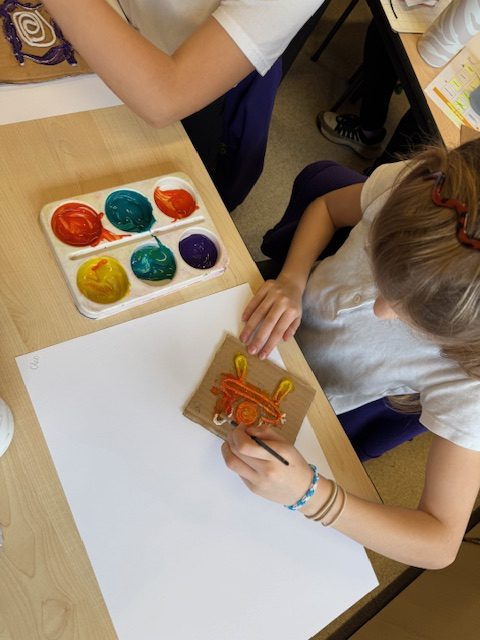
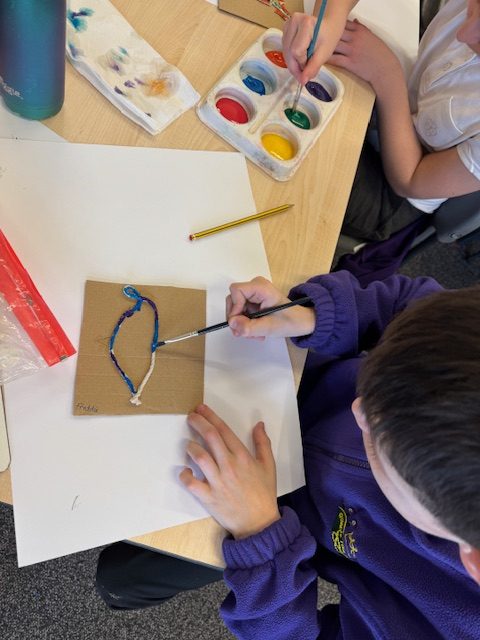
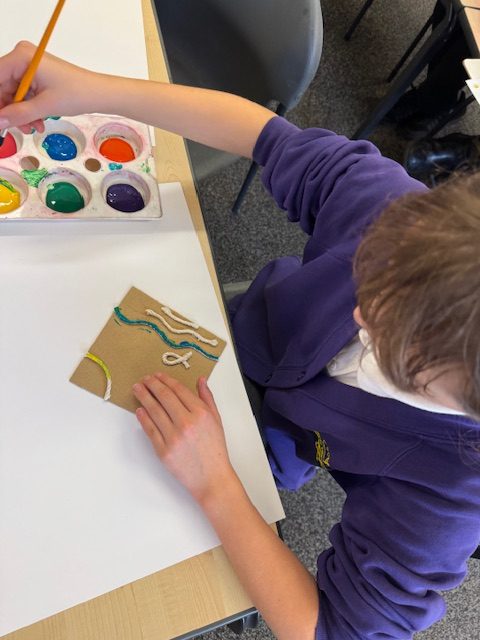
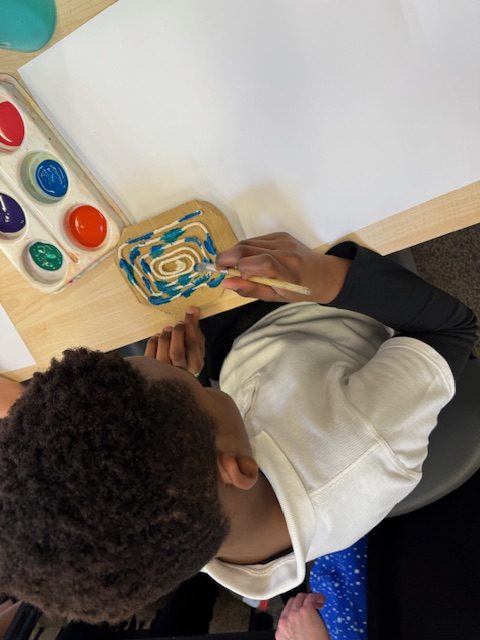
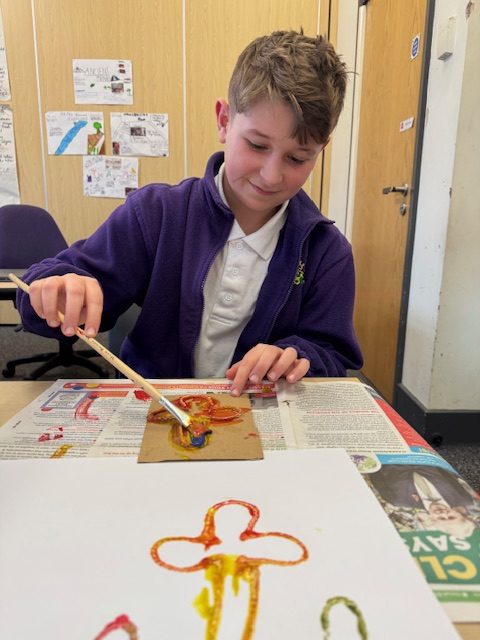
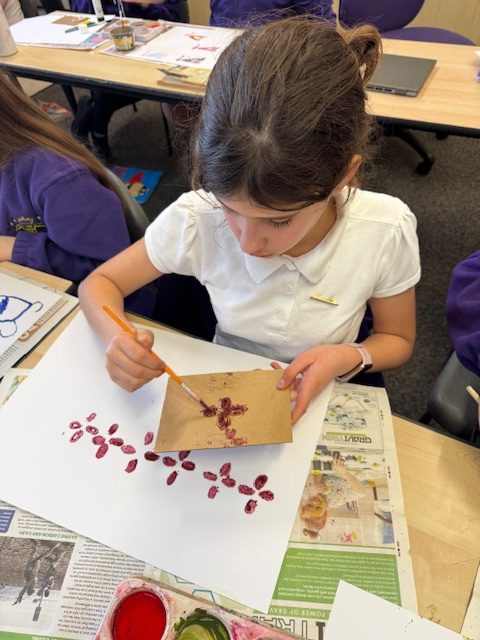
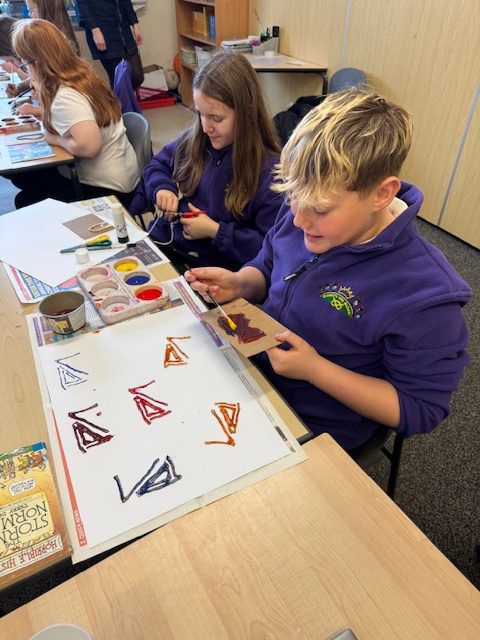
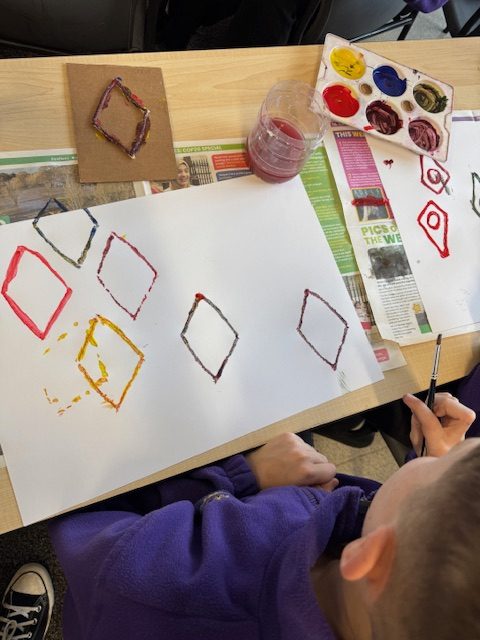
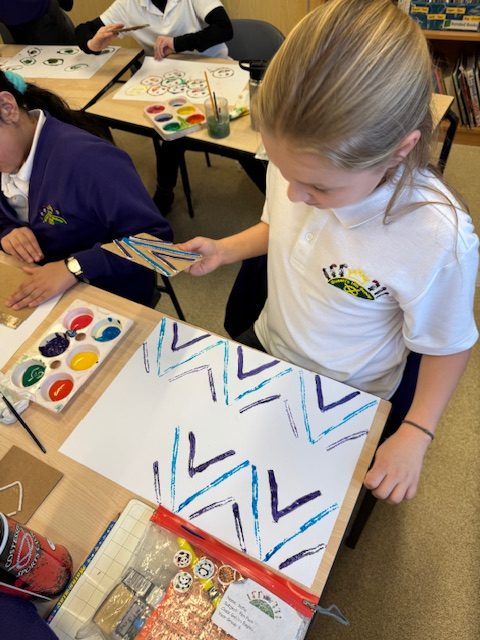
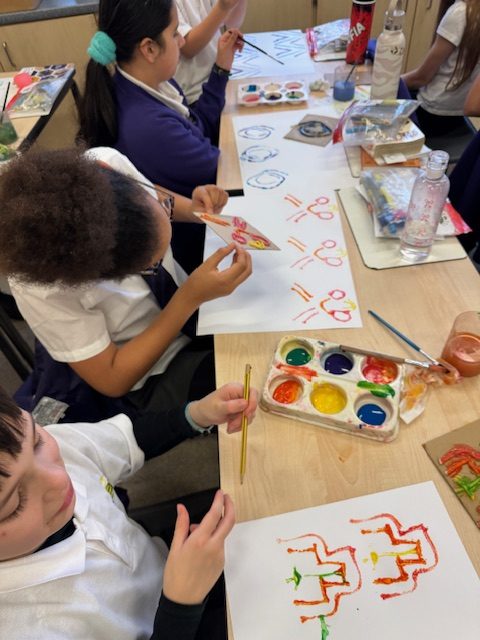
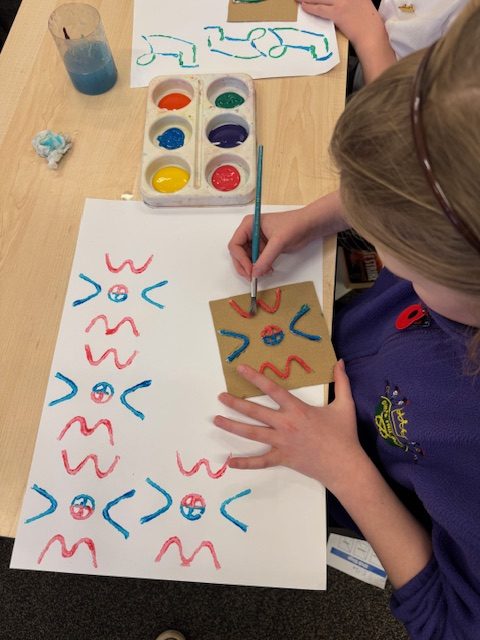
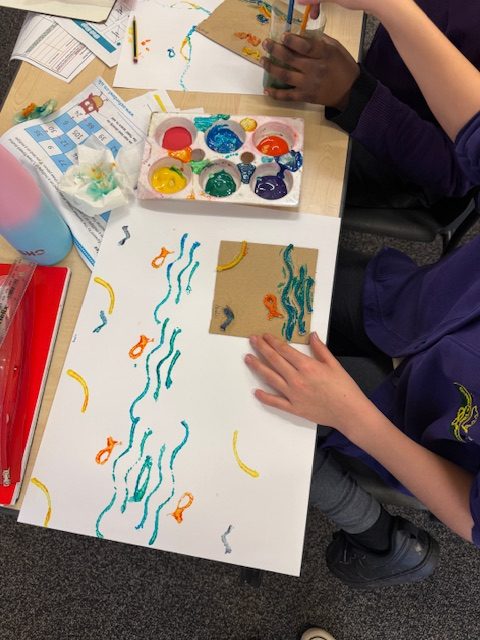
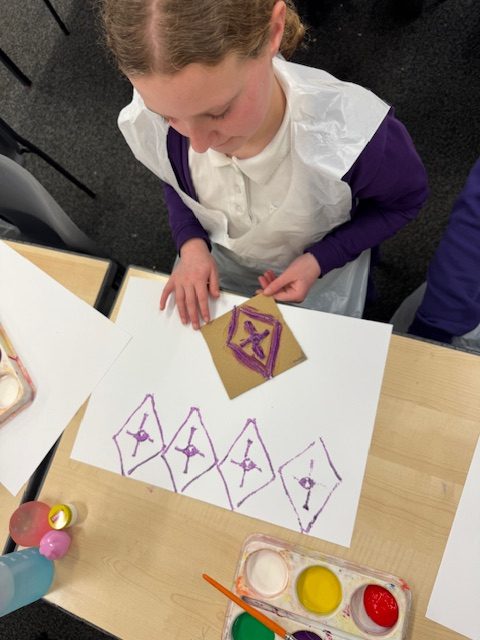
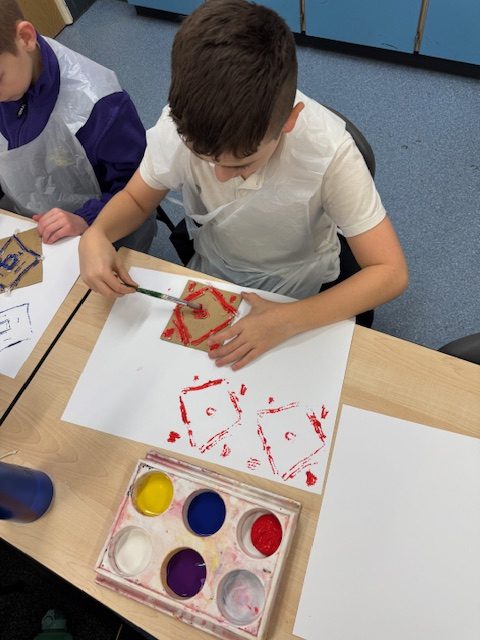
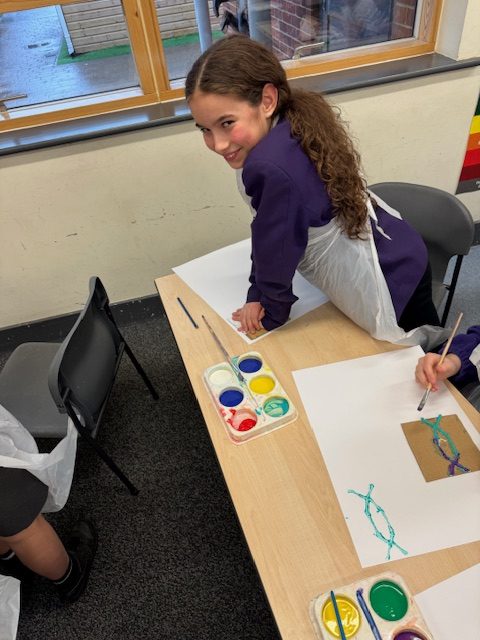
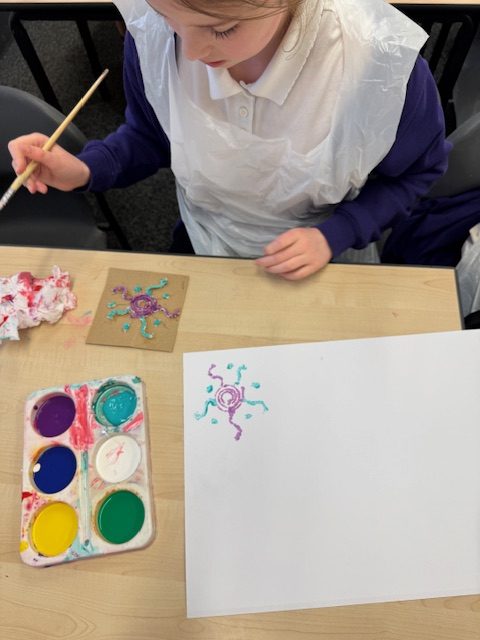
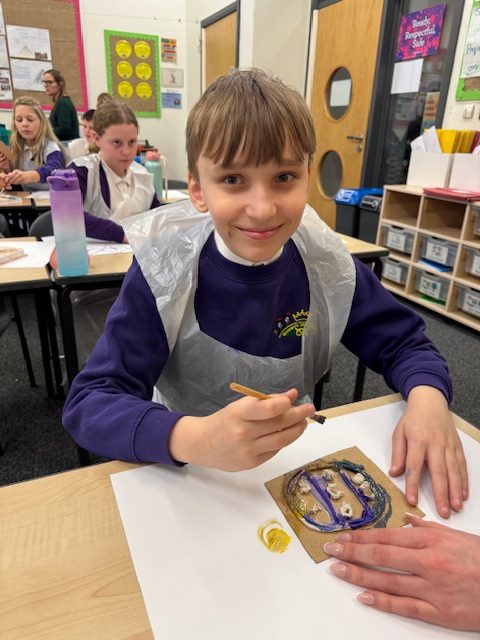
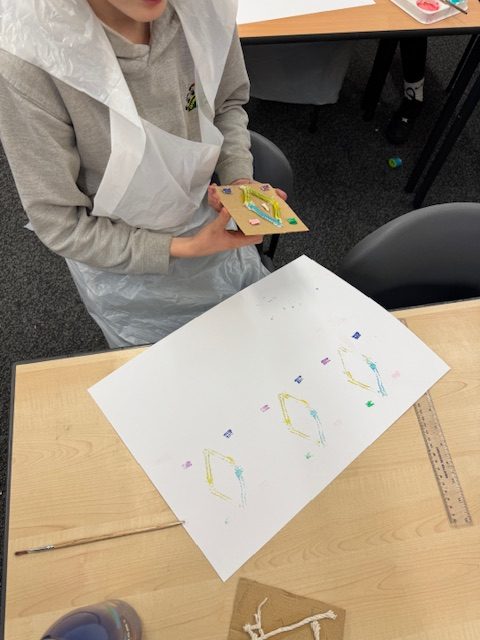
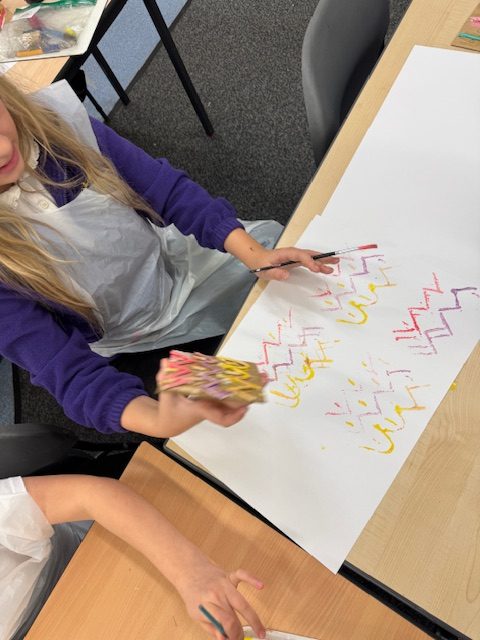
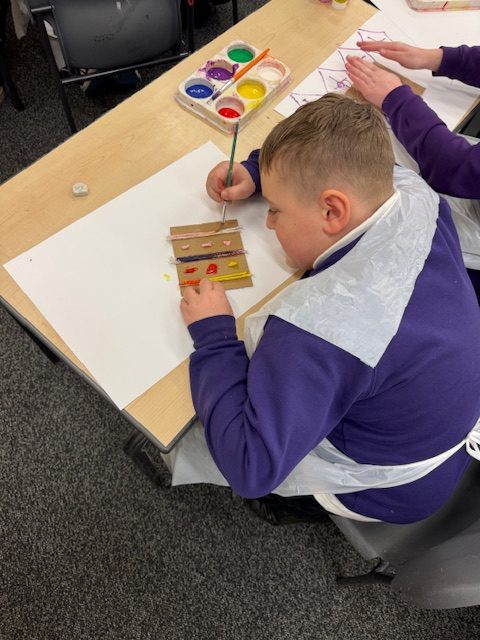
Block printing with string is an easy, textured printmaking technique where string is glued onto a block in a specific pattern, to act as a raised, inked surface. The string-covered block is inked with paint and stamped onto paper to create a unique design. Year 6 used their creativity and challenged themselves to incorporate some traditional Maya designs into their block to reflect the ancient civilisation’s culture.

We started by designing a range of prints that we could use and then chose a specific design. The children considered the integrity of the pattern and how difficult it might be to make.

Then, the children chose paint and complementing colours to print their block!

An excellent art project, Year 6. Well done!

Year 3 Castle Trip

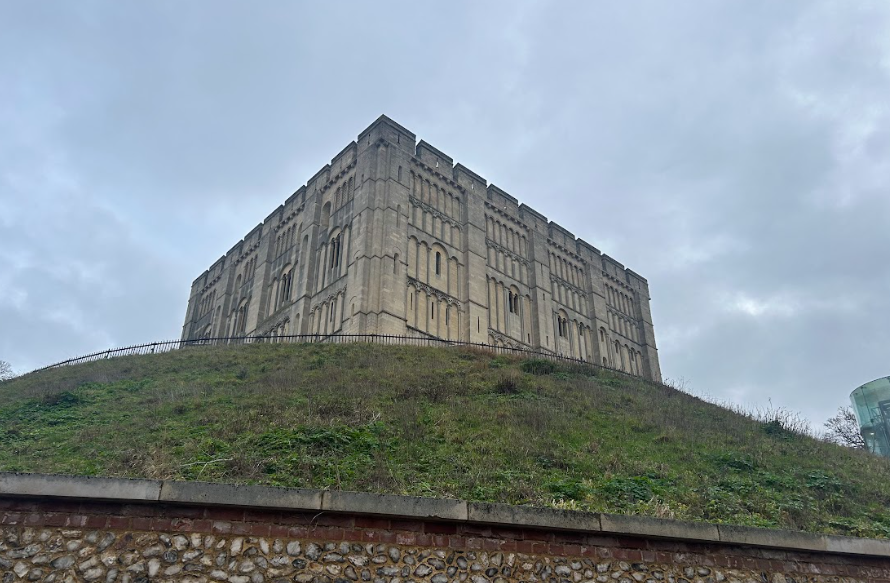
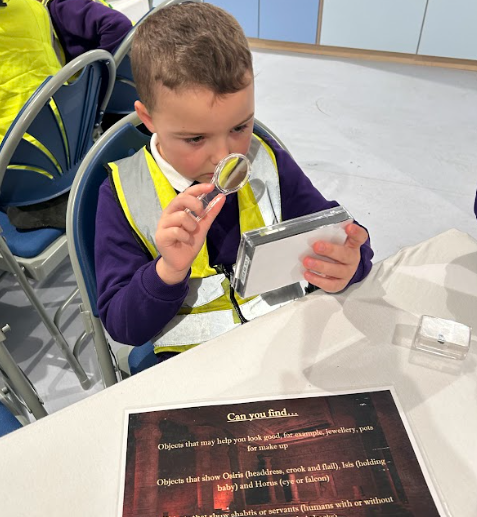
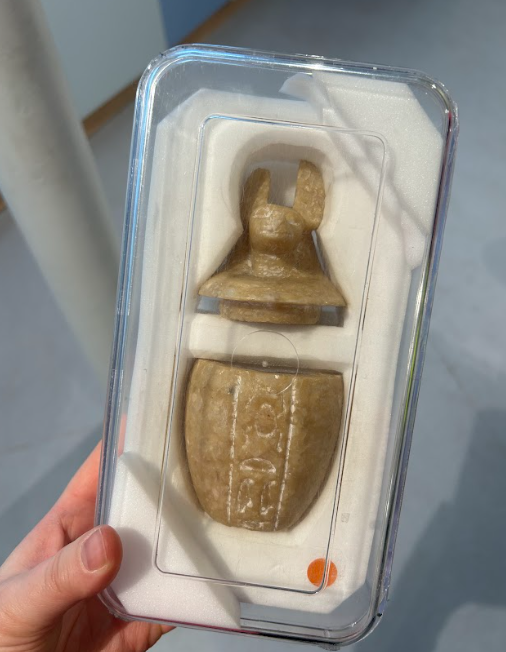
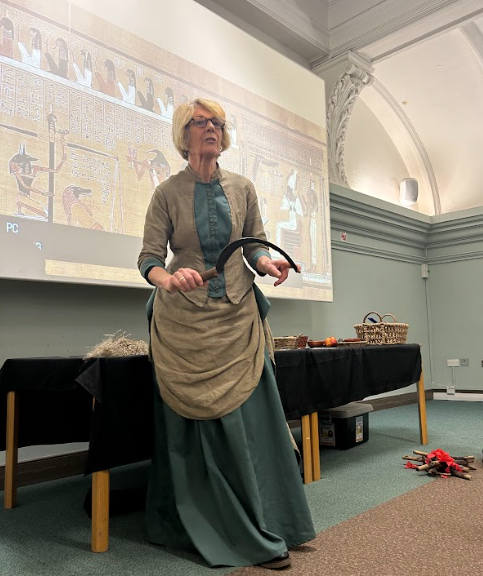
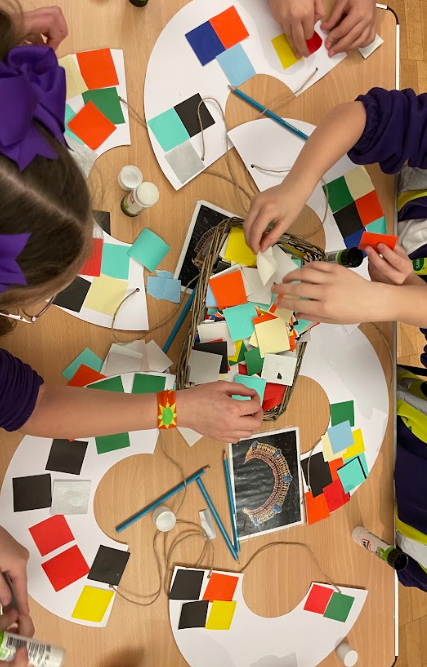
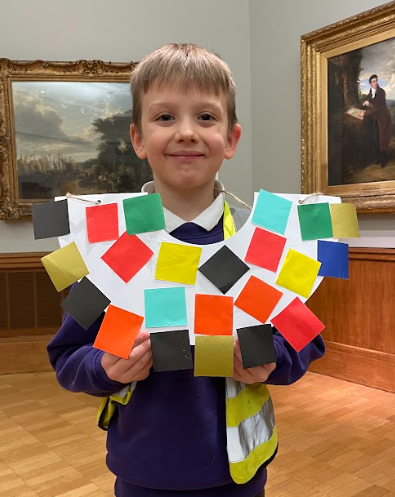
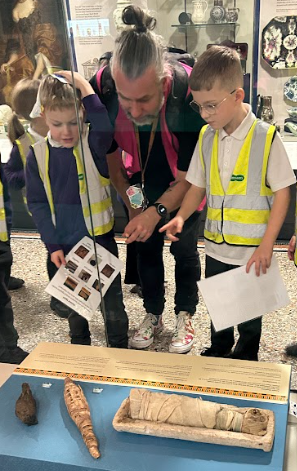
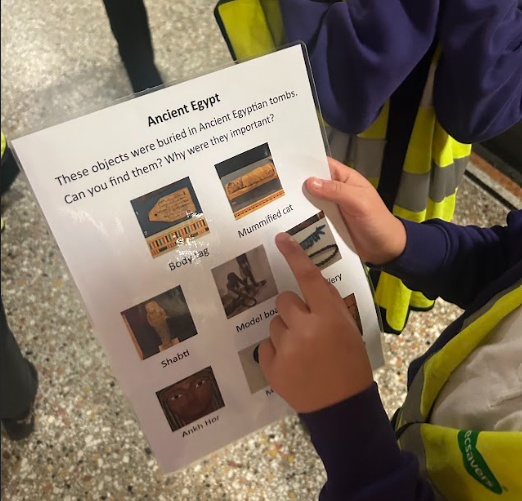
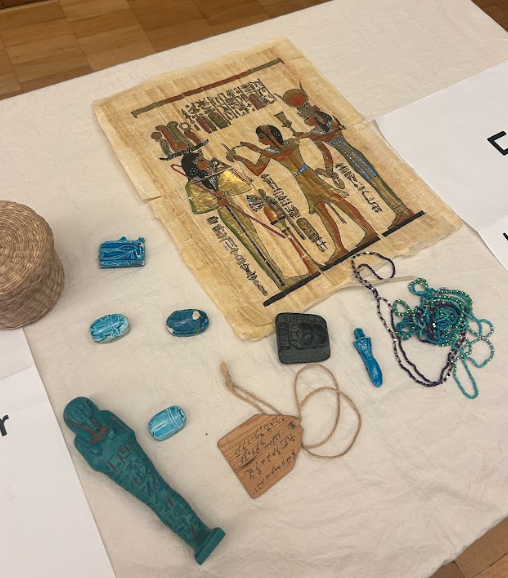
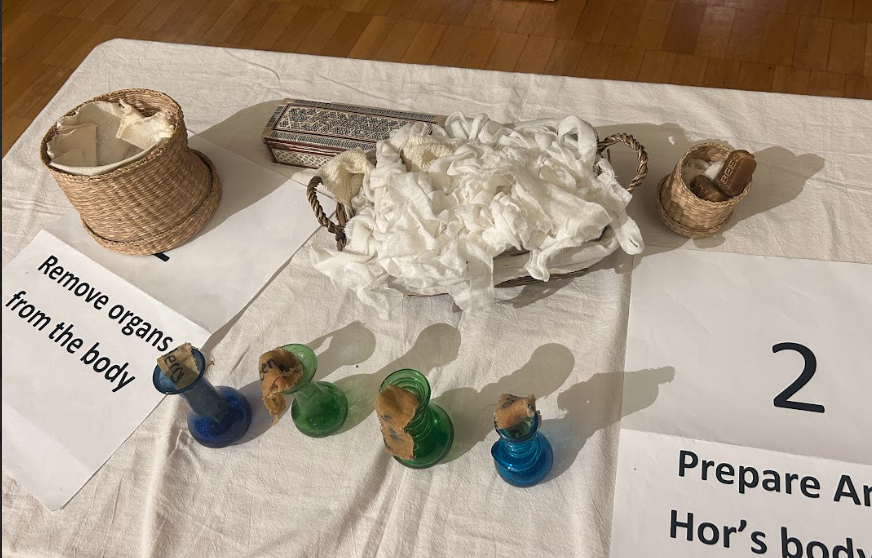
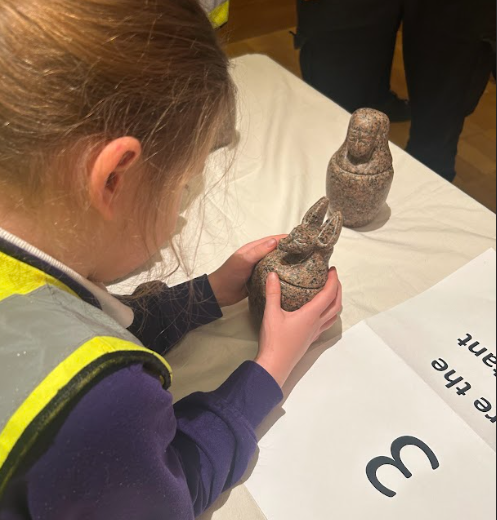
This week, children in year 3 had the fantastic opportunity to go to the newly refurbished Norwich Castle to learn more about the Ancient Egyptians. During the day, children learnt about the different Egyptian gods and spotted their trademarks on real artefacts, many of which were over 3000 years old! They also learnt what everyday life was like and were introduced to some of the foods they would have regularly eaten, such as pomegranates, dates, olives, figs and cinnamon. During the day, they also heard about ancient Egyptian beliefs around the afterlife and explored the discoveries of Ankh-Hor’s tomb, housed in the Egyptian display at the Castle. As a take-home, all of the children made their own Egyptian collar, carefully considering the different colours they used and what they would represent in ancient Egyptian jewellery. A truly wonderful day was had by all with lots of new learning and experiences.

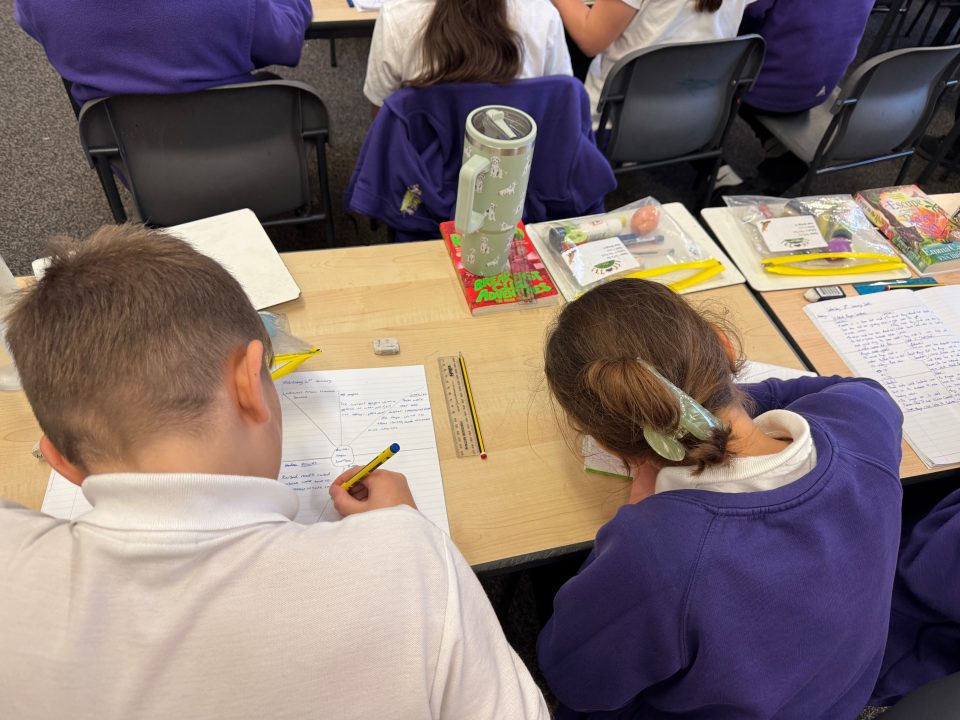
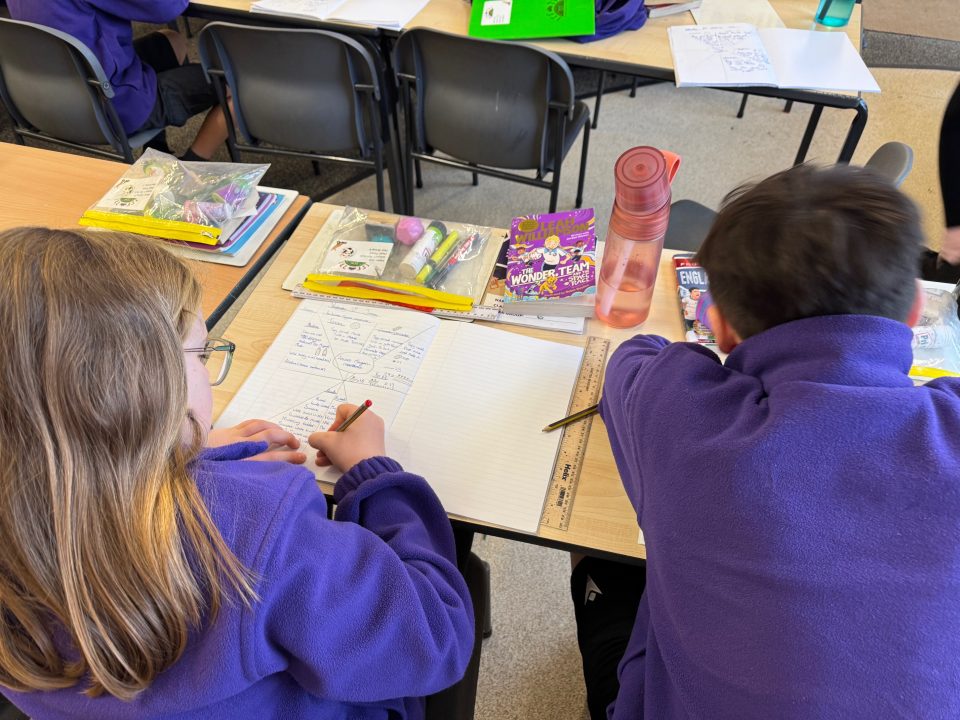
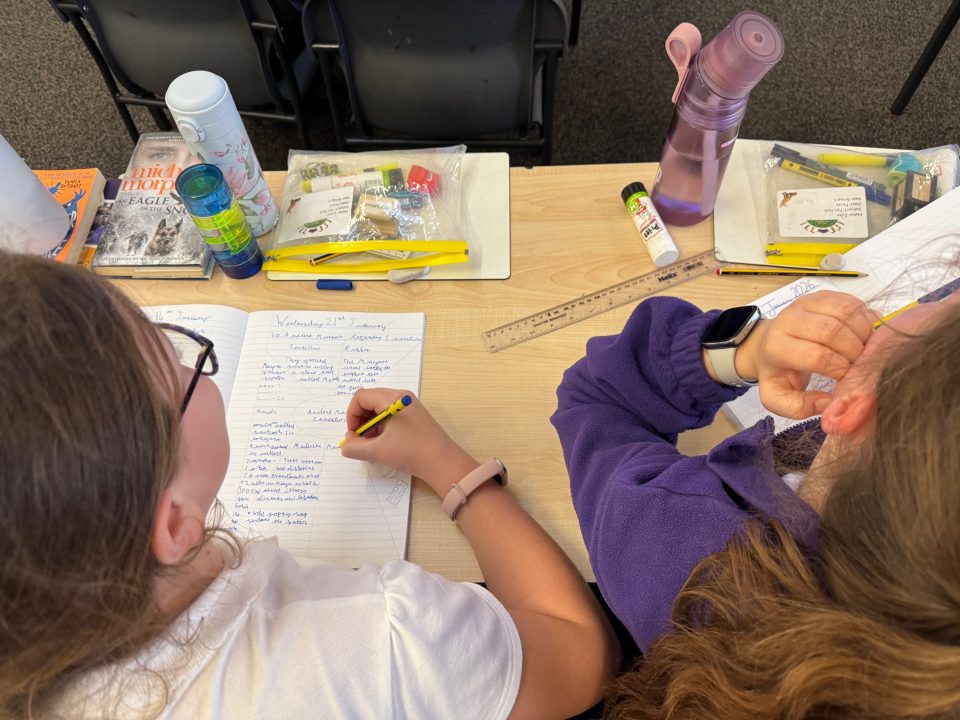
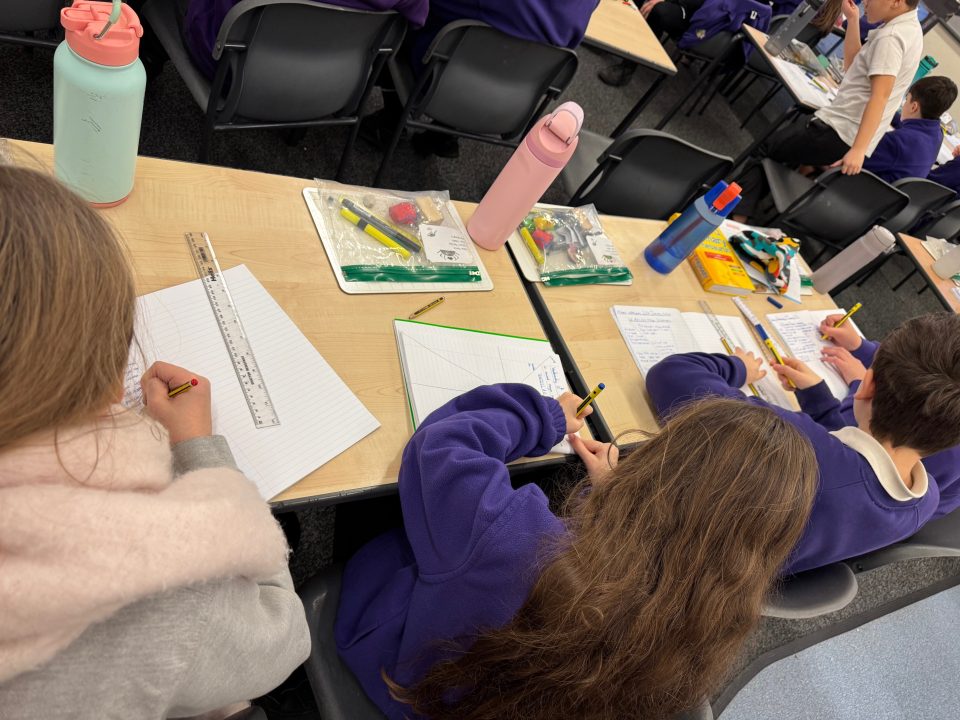
Ancient Maya: Inventions

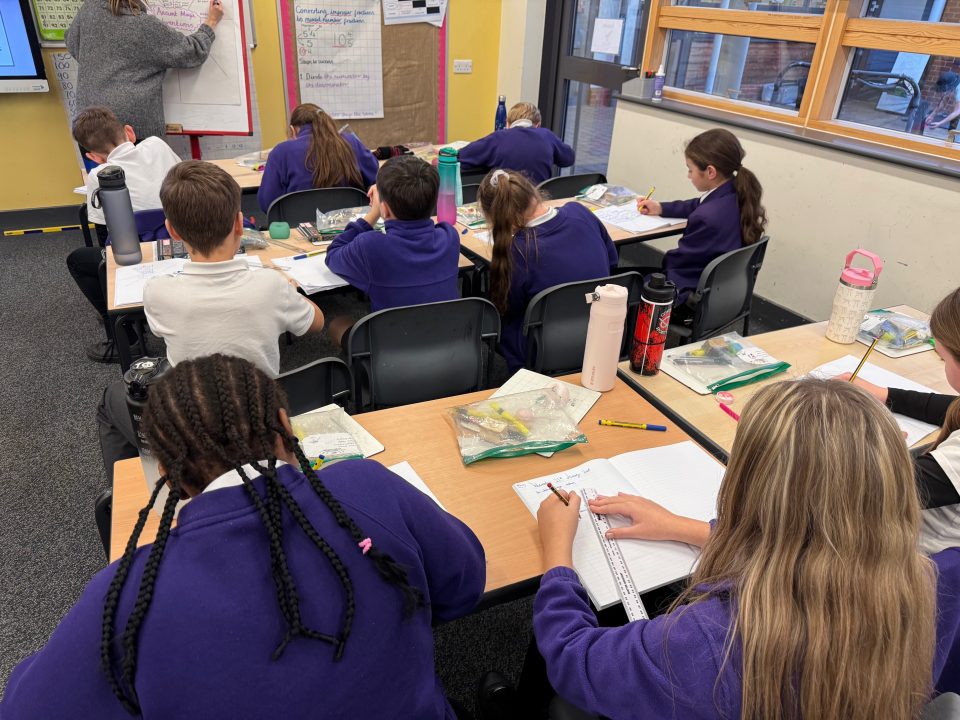
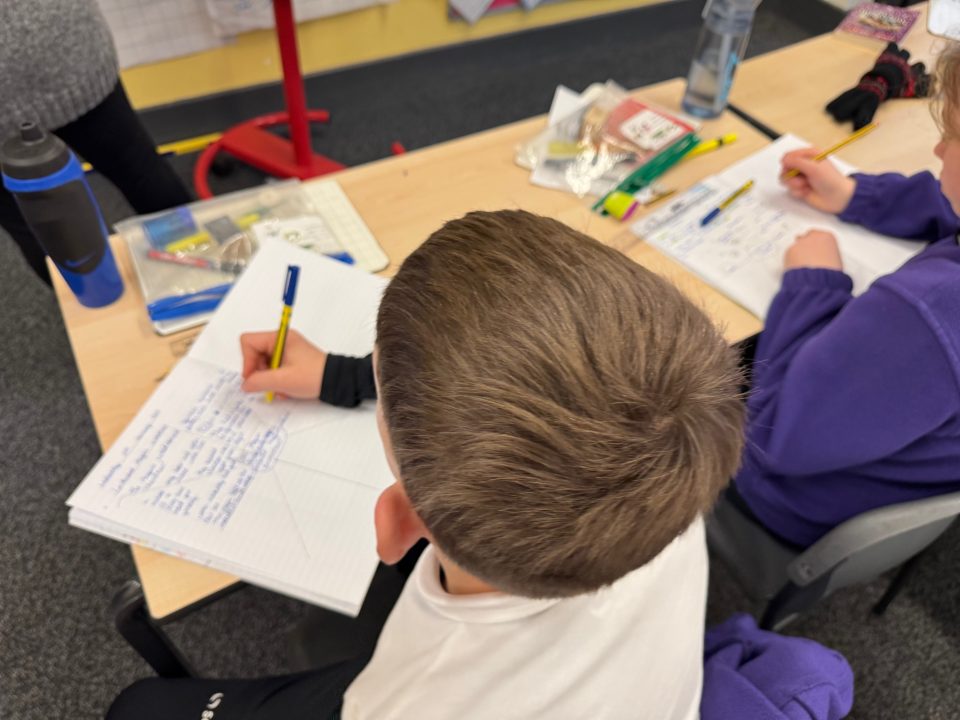
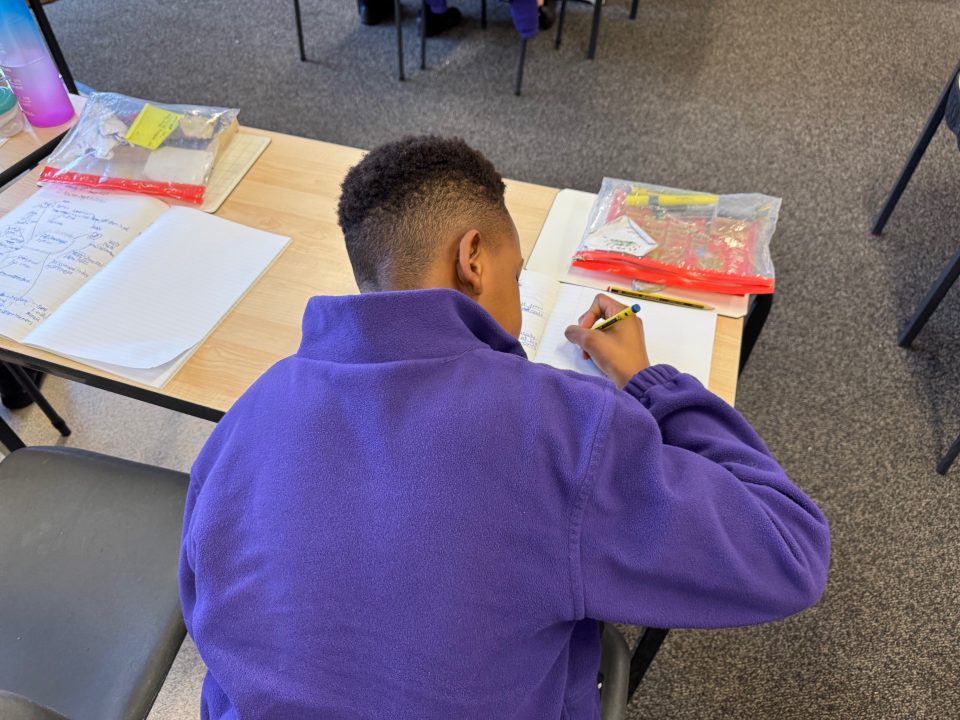
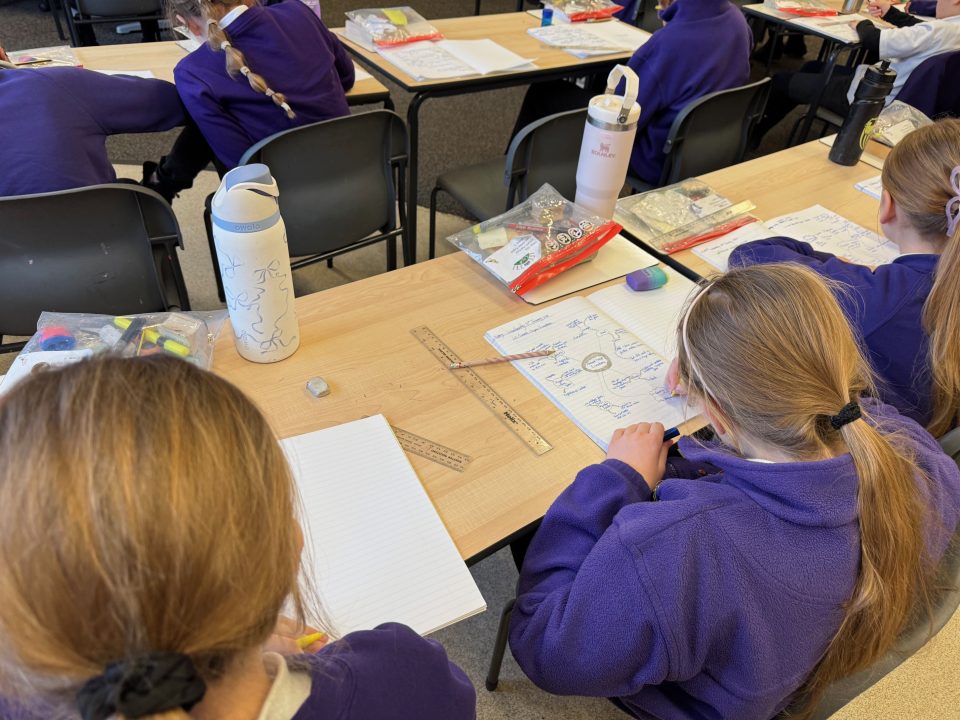
Learning about the different inventions of the Ancient Maya civilisation, Year 6 created a visual map filled with lots of important information. We showed curiosity and concentration to find out information about the invention of spicy chocohlaa, their number and letter system and their famous calendar. All of this information will then be used when we begin writing a non-chronological report!

Y3 History – The Pyramids

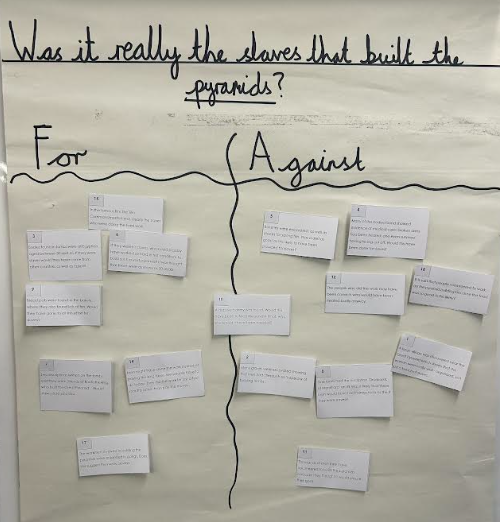
This week, Year 3 have been continuing their exploration of Ancient Egypt by considering who built the ancient pyramids in Egypt. They had to hunt for different historical evidence around the classroom and decide whether it supported or opposed the common idea of slaves being the pyramid builders. As a class, these ideas were discussed and debated.
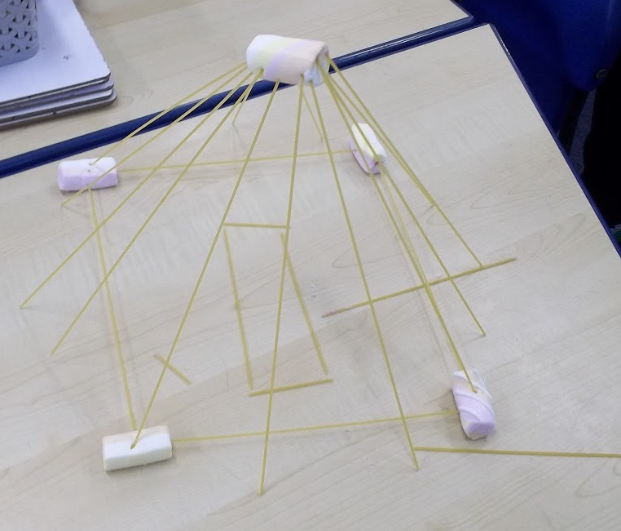
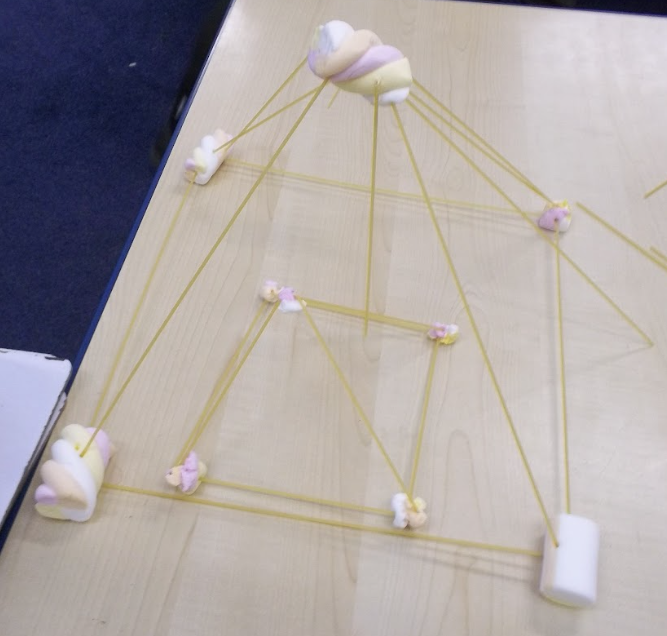
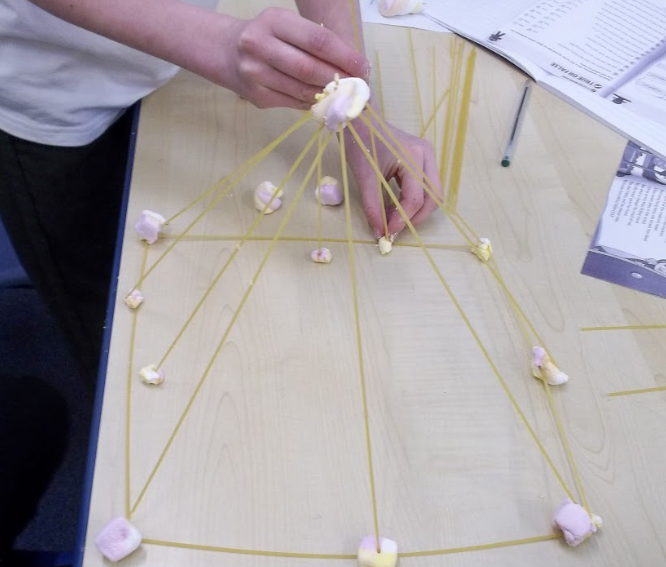
Children also learnt all about the purpose of pyramids and why they were built. As a challenge at the end of the lesson, children worked in pairs to build their own pyramid structures using marshmallows and spaghetti. Some children even chose to make tombs and chambers inside their pyramids!

Volcanoes!

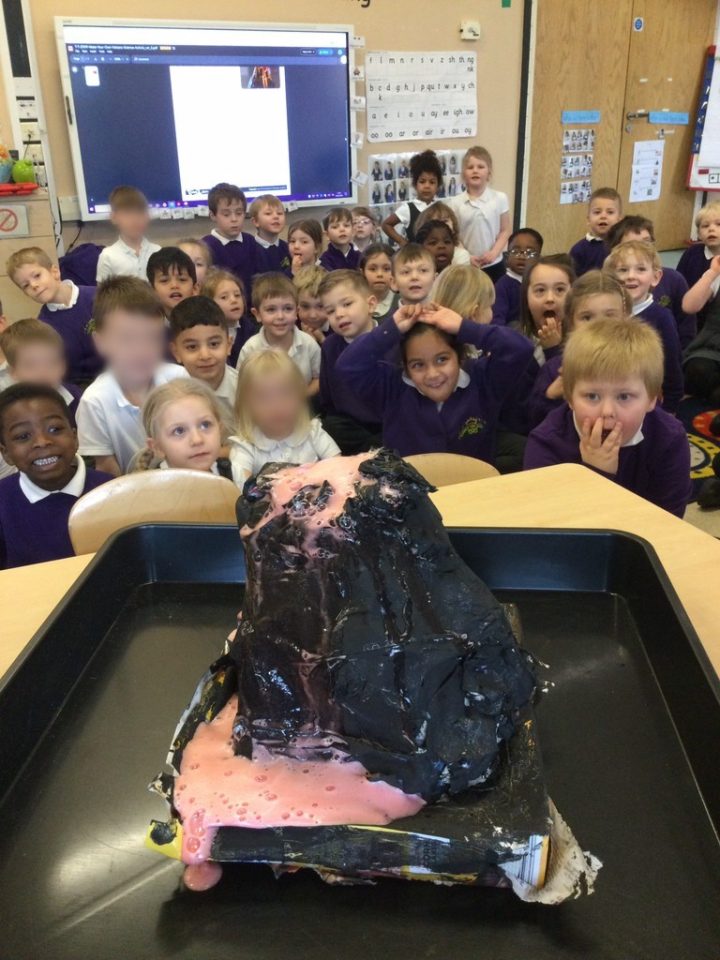
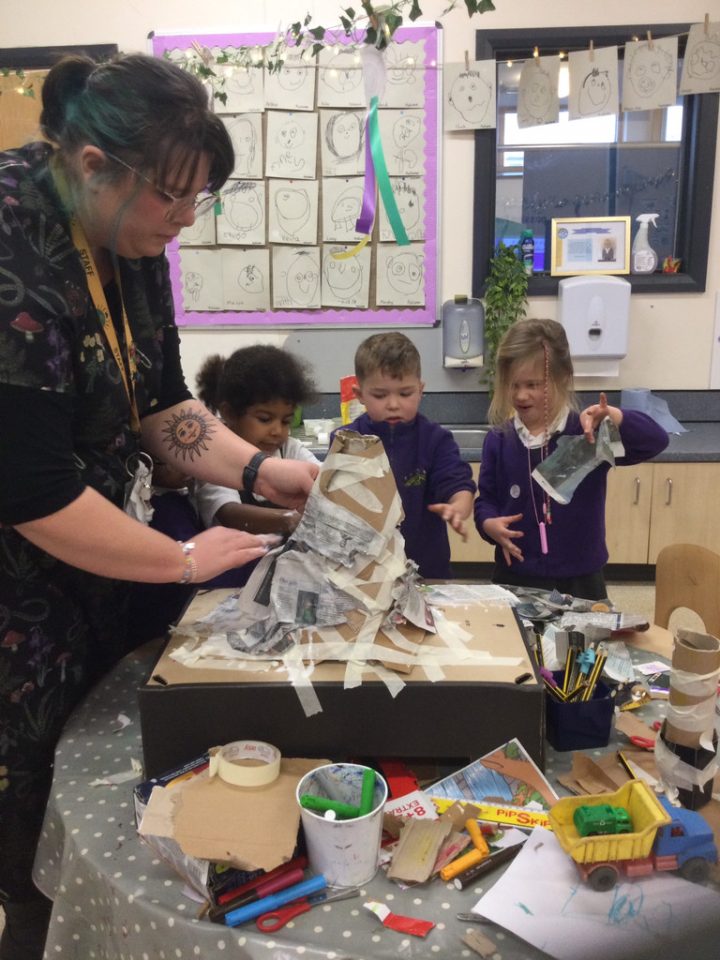
Reception have continued to learn about the world and this week we have been looking at volcanoes. We learnt about where we could find volcanoes and how they are formed. We made some class volcanoes using junk modelling and papier-Mache and then did an experiment of a chemical reaction to make the volcano explode!
Time and Tide Museum Trip

Year 6 had a fantastic trip out to Great Yarmouth to visit the Time and Tide Museum. We travelled back to 1941 when Great Yarmouth was in the thick of the action as a ‘front line town’. Year 6 discovered how the war affected people on the home front and met an ARP warden, housewife, shopkeeper and Home Guard soldier. We explored how to stay safe in an air raid and took cover in a Morrison shelter. Children in the year group tried on gas masks, counted rations in the wartime shop and learned how to ‘make-do and mend’.
At school, the children finished off their Second World War unit by creating a double page spread on all of the information that they have learnt. A brilliant term of learning, completed with some excellent presentation!

Year 1 – Comparing Cold Climates

In year 1, children have been learning about cold climates. They have learned about Antarctica in the South Pole and how penguins have adapted to live in the Antarctic conditions. They then compared this to the Sahara desert and looked at how camels have adapted to live in the hot desert. By using venn diagrams, they were able to think about what was the same, and what was different between these cold and hot climates. Finally, they learned about how the Arctic is an ocean at the North Pole which freezes over. Alongside their learning of cold climates, they made moveable penguins in DT and painted digital penguins in IT.