Queen's Hill’s vision for science is to equip children with a range of skills and knowledge that will enable them to ask scientifically accurate questions and carry out scientific enquiries in order to learn about our world and how it is changing. Children’s scientific knowledge and skills are built upon each year as they reflect on past topics and key concepts learnt. We feel that it is important that children explore key content from the three disciplines of biology, chemistry and physics and build confidence in applying their skills to conduct scientific experiments. Children will also develop a wide scientific vocabulary that they will be able to apply when discussing new concepts.
At Queen’s Hill, we have developed an exciting curriculum, whereby children are fully immersed in their learning. Children learn to design and conduct practical experiments and evaluate outcomes in order to enable them to ask questions and to find answers. We have an outdoor classroom that all year groups enjoy, and we offer the children the opportunity to use a range of high-quality scientific equipment. In a world that is facing some considerable environmental challenges, we hope at Queen’s Hill we can plant the seed that inspires the next generation of scientists.
We use PLAN primary science resources to support the planning and delivery of our science curriculum
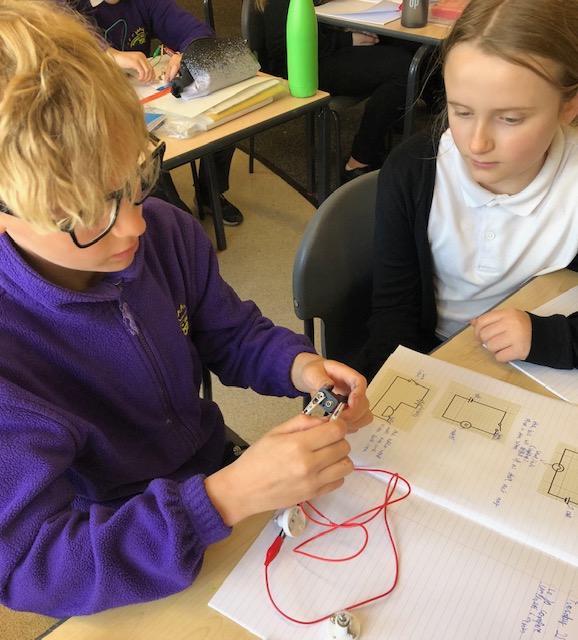
Subject in Action
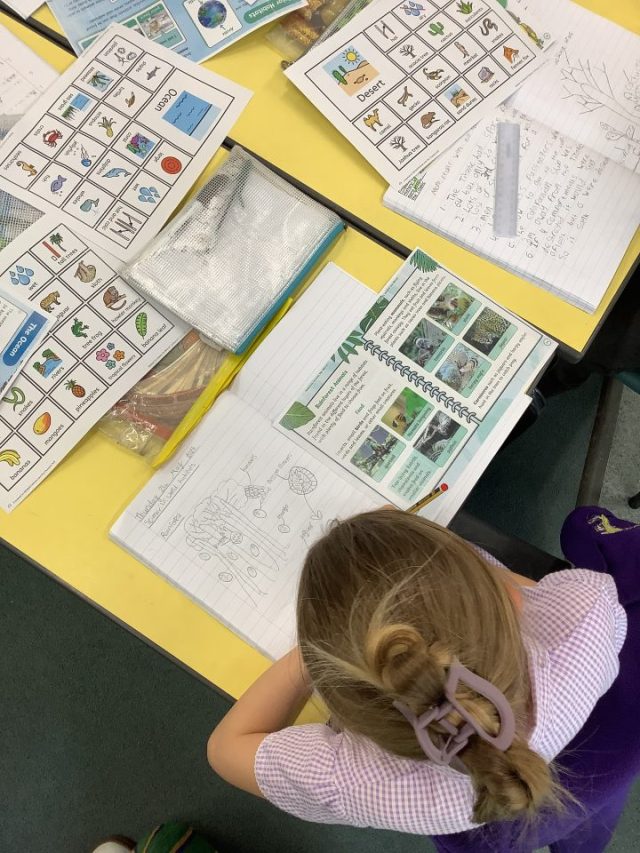
Year 2 World Habitats
In Science this week, Year 2 have been learning about world habitats. They used fact sheets to research the plants and animal that live in different habitats around the world and then drew a diagram in their book. Some children also chose to include their favourite facts that they had learnt.
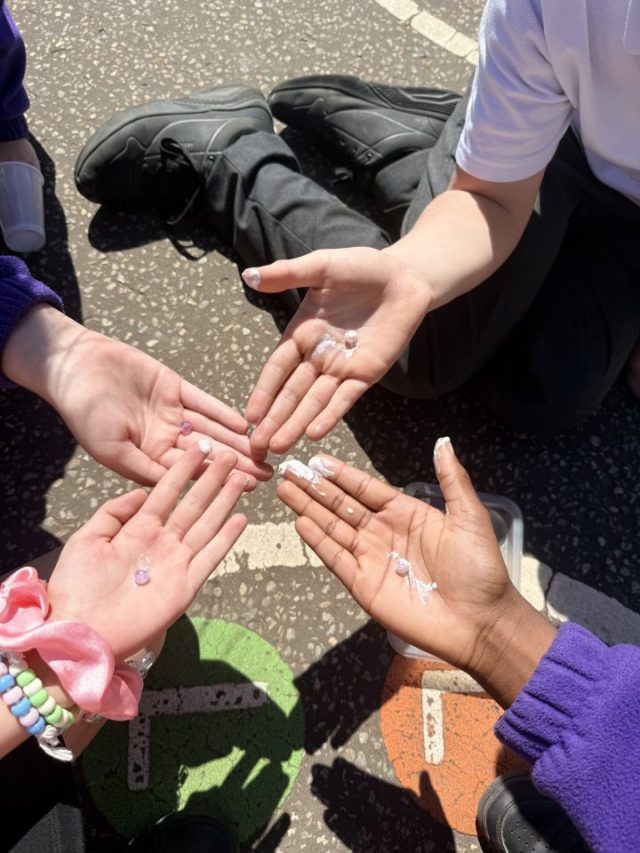
Year 5 Science/RHE
Year 5 explored sun safety today. They were able to explore different SPFs and predict which bead would turn purple the quickest. They were able to see the effects of the sun and think about how they can stay safe. Everyone was shocked how quickly the bead without any sun protection turned purple and how … Read more
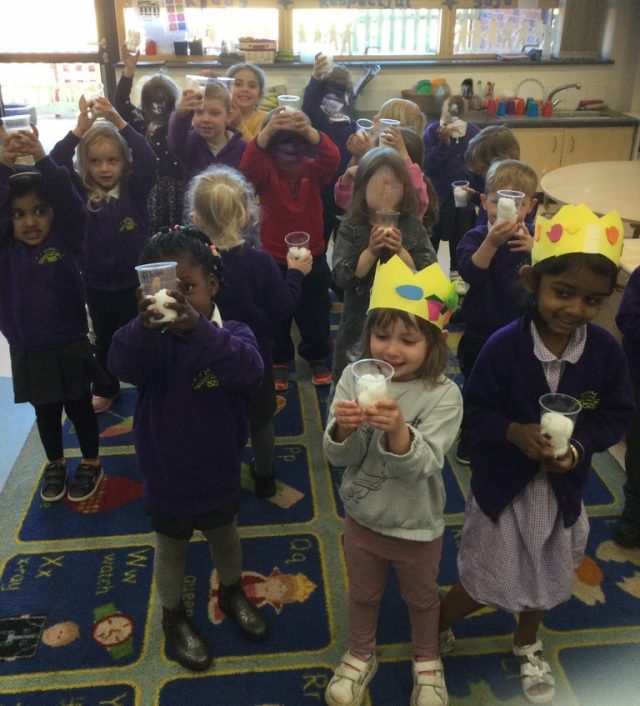
Nursery Planting Beans
The children in Nursery planted their own bean seeds. They watered them carefully and are looking forward to watching them grow over the coming weeks.
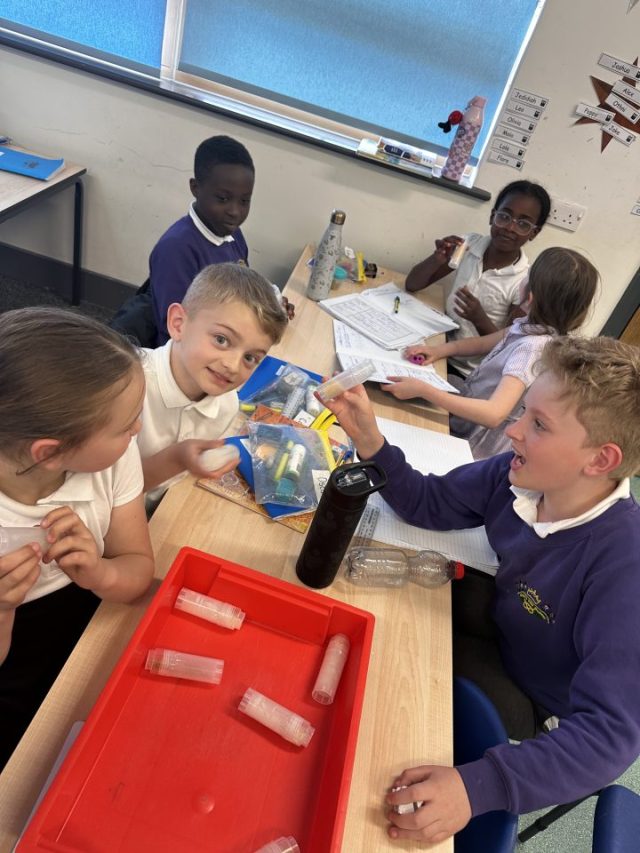
Year 4 – Pitch investigation
This week in science year 4 investigated how pitch varies in instruments and what causes this. We used shakers, rubber band guitars and glockenspiels in our science lesson to help us. We discovered that longer thicker objects have a low pitch and thinner short objects have a high pitch.
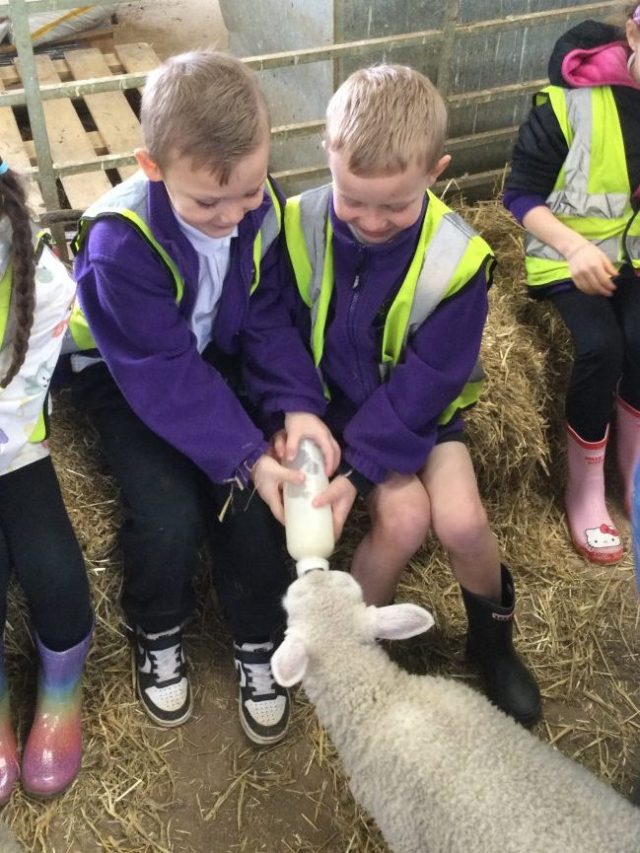
Year 2 Snettisham Trip
Year 2 had a brilliant time on their trip to Snettisham Park this half term. They had a busy day filled with lots of great activities. They went on a deer safari, they collected eggs, groomed horses and fed goats and lambs!
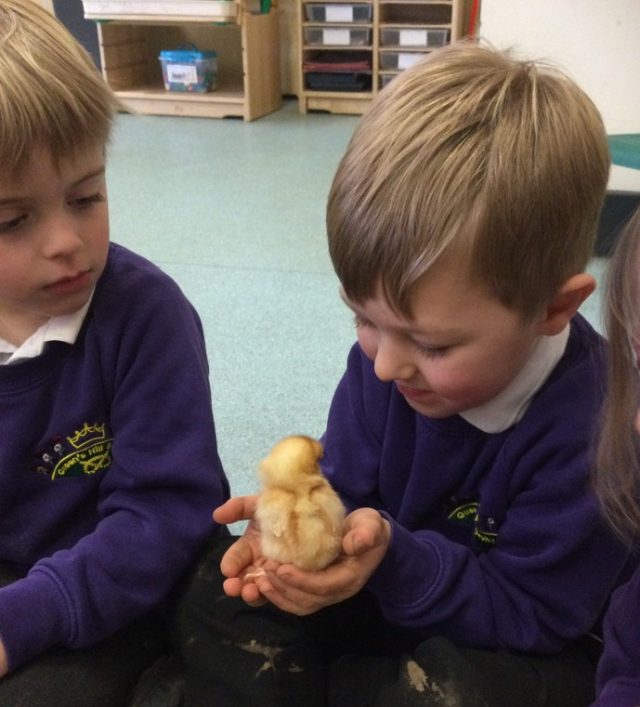
EYFS chicks
We have had a very exciting 2 weeks in Early Years with the arrival of some eggs. Children guessed what animal would be inside the eggs- some who were hoping for a dragon or dinosaur were a little disappointed when chicks started to hatch. Children then observed the changes from egg to chick and recorded … Read more
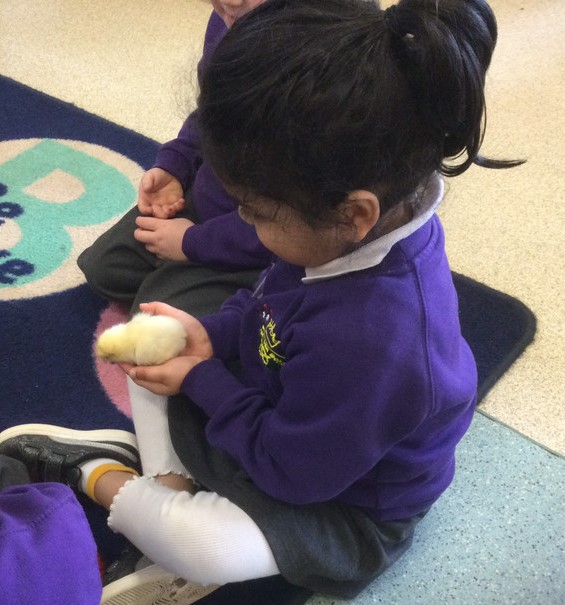
Nursery Chicks
The Nursery children went to visit the chicks in Reception. All ten have hatched and they were lucky enough to hold and stroke one as well as see them in the incubator.
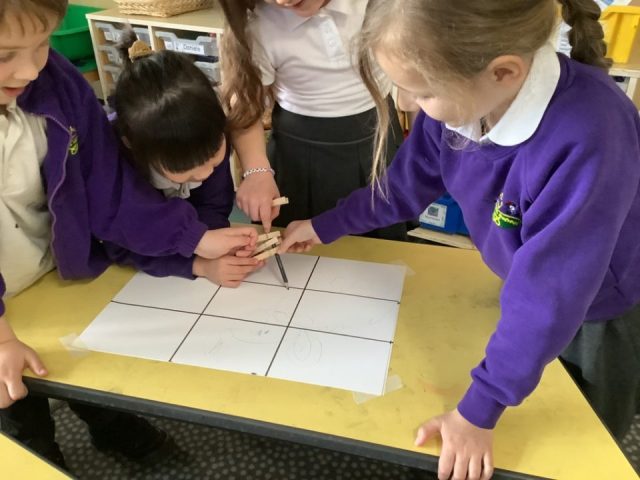
Year 1 – Science Curriculum Day
Year 1 had a great time on Friday, taking part in three experiements as part of our Science curriculum day. After our Mad Science assembly, we were all thinking like scientist and ready to experiment! Experiement 1 – Teamwork! Children were challenged to copy a drawing in teams of four each holding a peg attached … Read more
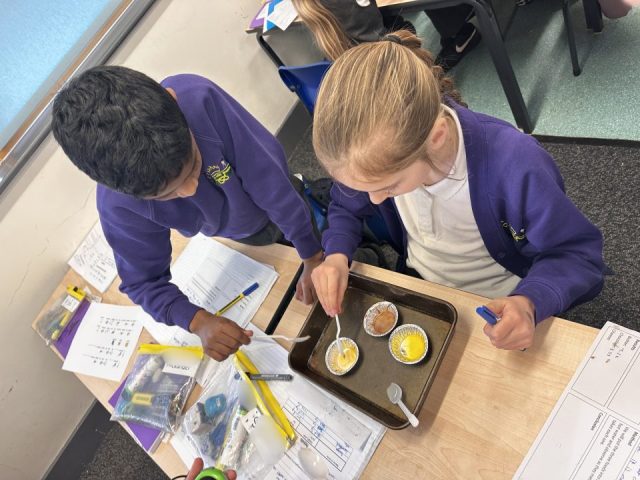
Year 4 Science Week
This week year four have enjoyed taking part in a number of practical science investigations as part of British Science Week. We looked at properties of materials to see which would make the best handkerchief. At the end of the week, we melted butter, chocolate and cheese to see which had the highest melting point. … Read more